
 EN
EN  EN
EN AR
AR BG
BG HR
HR CS
CS DA
DA NL
NL FI
FI FR
FR DE
DE IT
IT NO
NO PL
PL PT
PT RO
RO RU
RU ES
ES SV
SV IW
IW SR
SR SK
SK SL
SL TR
TR FA
FASelecting an appropriate biological filtration system can be significant regarding water purification, operational costs, and sustainability. Many treatment plants, fish farms, and industries usually evaluate MBBR Biofilm Carriers systems against conventional biofilters before purchasing. Although both systems employ beneficial bacteria to remove waste products, their modes of action and strengths differ from each other. In most cases, selecting one system over the other is dependent upon space constraints, objectives of the process, and potential for expansion in the future. Knowing how each system works in operational conditions is essential in making the best decision.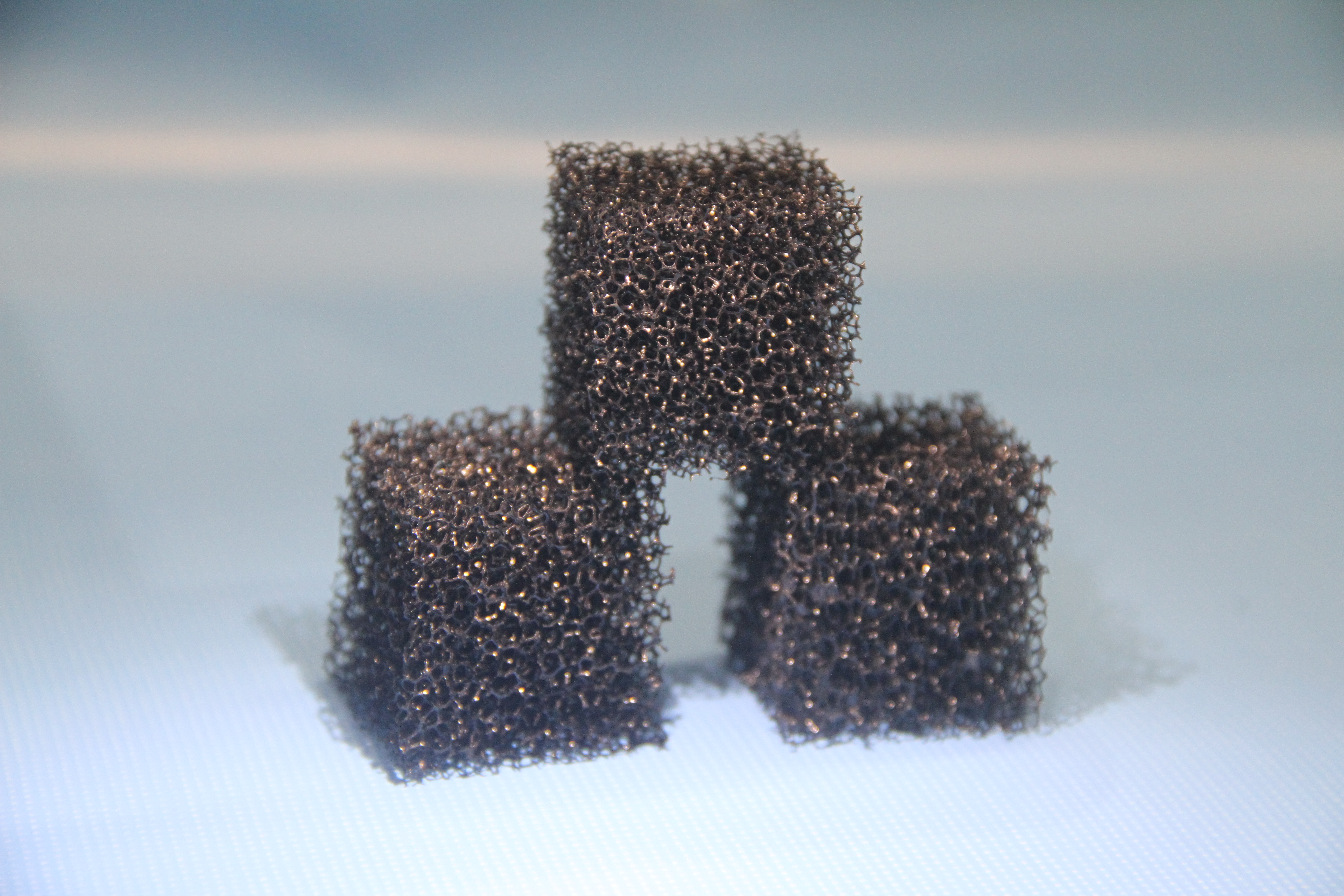
Understanding Traditional Biofilters
Traditional biofilters have been used in wastewater treatment for many years because they are reliable and easy to understand. Their main job is to create a place where beneficial bacteria can grow. These bacteria feed on organic waste in the water, helping remove pollutants before the treated water moves to the next stage.
Most traditional biofilters use fixed materials such as gravel, rocks, plastic media, or specially designed blocks. Water flows over or through these materials, allowing bacteria to form a thin layer called a biofilm. As the water passes by, the bacteria break down organic matter and reduce harmful substances.
One common example is a trickling filter, where wastewater is sprayed over a bed of filter media. Another is a submerged fixed-bed biofilter, which keeps the media underwater while air is added to support bacterial growth. These systems are still widely used in municipal wastewater plants, small communities, and some industrial facilities because they have a long history of dependable operation.
Traditional biofilters work well when wastewater flow stays fairly steady. A small food processing plant, for example, may produce a similar amount of wastewater every day, allowing the biofilter to perform consistently. When conditions remain stable, these systems can provide good treatment with relatively simple operation.
At the same time, traditional biofilters have some limits. As the biofilm grows thicker, it can block water flow or reduce the amount of oxygen reaching the bacteria. This often means the filter needs regular cleaning or maintenance to keep it working properly. Expanding capacity can also be difficult because larger treatment demands usually require more filter media and additional space.
Learning how traditional biofilters operate provides a good starting point when comparing them with newer technologies like MBBR. Knowing both the strengths and the limitations makes it easier to choose the right system for different treatment needs.
Advantages of MBBR Technology
Moving Bed Biofilm Reactor (MBBR) technology has become a popular choice because it offers strong treatment performance while keeping system design relatively simple. Instead of growing bacteria on fixed filter media, MBBR uses thousands of small plastic carriers that move freely inside the treatment tank. Air or water circulation keeps these carriers in constant motion, allowing the bacteria attached to their surfaces to receive a steady supply of oxygen and nutrients.
One of the biggest advantages of MBBR is its high treatment capacity without needing a large footprint. Since the carriers provide a large surface area for bacterial growth, more microorganisms can work inside a smaller tank. This makes MBBR a practical option for facilities where space is limited or where expanding an existing treatment plant would be difficult.
Another benefit is its ability to handle changing wastewater conditions. A food factory, for example, may produce higher wastewater volumes during busy production periods and lower volumes on other days. The moving carriers help the biological process stay stable even when the amount of waste entering the system changes. This flexibility reduces the risk of performance drops during peak operation.
Maintenance is also easier compared with many traditional biofilters. Because the carriers move continuously, excess biofilm naturally wears away, helping prevent heavy buildup that can reduce treatment efficiency. This self-cleaning action lowers the need for frequent manual cleaning and helps keep the system running smoothly over long periods.
MBBR systems are also easy to upgrade. If treatment requirements increase, operators can often improve performance by adding more carriers instead of building new tanks. This approach saves time, reduces construction costs, and allows facilities to expand step by step as demand grows.
These advantages have led many municipal wastewater plants, aquaculture farms, and industrial facilities to adopt MBBR technology. By combining efficient biological treatment, flexible operation, and straightforward maintenance, MBBR provides a practical solution for many modern wastewater treatment challenges.
Comparison of Treatment Performance
When comparing treatment performance, both MBBR systems and traditional biofilters can produce good results when they are designed and operated correctly. The difference is how they respond to changing conditions, available space, and daily operating demands.
Traditional biofilters usually perform best when wastewater flow and pollution levels stay consistent. Under stable conditions, they can remove organic matter effectively and provide dependable long-term operation. Many small municipal treatment plants have relied on these systems for decades because they deliver steady results with a proven design.
MBBR systems are often better at handling sudden changes in wastewater volume or strength. The moving carriers provide a large area for beneficial bacteria to grow, allowing the system to process higher organic loads without a major drop in performance. This makes MBBR a good fit for industries such as food processing, dairy production, and breweries, where wastewater quality can change throughout the day.
Another area where MBBR often has an advantage is startup and recovery. If a treatment plant experiences temporary shutdowns or unexpected changes in operation, the bacteria attached to the moving carriers can recover quickly once normal conditions return. This helps reduce downtime and keeps treatment performance more stable.
Oxygen transfer is another point to consider. In MBBR systems, the constant movement of carriers improves contact between bacteria, oxygen, and wastewater. Traditional biofilters may develop thicker biofilm layers over time, making it harder for oxygen to reach bacteria deep inside the filter. Regular maintenance helps reduce this issue, but it still requires attention from operators.
For example, a growing seafood processing plant that expanded production found its traditional biofilter struggling during peak seasons. After upgrading to an MBBR system, the facility was able to treat larger wastewater volumes without building additional treatment tanks. This shows how the right technology can support future growth while maintaining treatment quality.
Both systems can achieve excellent wastewater treatment, but the better choice depends on the site's operating conditions, treatment goals, and plans for future expansion.
Maintenance Requirements
Keeping a biological treatment system in good condition is just as important as choosing the right one. Regular maintenance helps protect treatment performance, reduces unexpected downtime, and extends the life of the equipment. While both MBBR systems and traditional biofilters need routine care, the amount and type of maintenance are different.
Traditional biofilters often require more hands-on attention. As bacteria grow on the fixed filter media, the biofilm becomes thicker over time. If too much buildup occurs, water flow can slow down, and oxygen may not reach all parts of the biofilm. Operators may need to clean the media, remove debris, or backwash the system to keep it working efficiently. Pumps, spray nozzles, and distribution systems also need regular inspection because blockages can affect treatment quality.
MBBR systems generally have lower maintenance needs because the plastic carriers move freely inside the tank. Their constant movement naturally removes excess biofilm, helping prevent heavy buildup on the media. This reduces the need for frequent cleaning and allows the biological process to remain stable with less manual work.
That does not mean an MBBR system is maintenance-free. Operators should still check aeration equipment, blowers, pumps, and screens that keep the carriers inside the reactor. Damaged carriers should be replaced if needed, and routine inspections help catch small issues before they become expensive repairs.
A good maintenance routine can make a big difference regardless of the system being used. Keeping records of equipment inspections, monitoring water quality, and following a regular service schedule can help prevent unexpected problems. For example, a factory that checks blower performance every month is more likely to spot declining airflow before it affects biological treatment.
Both technologies can provide reliable long-term operation when maintained properly. Traditional biofilters usually demand more cleaning and manual attention, while MBBR systems focus more on routine equipment checks. Choosing between them often depends on the available maintenance resources, operating budget, and the level of automation a facility wants to achieve.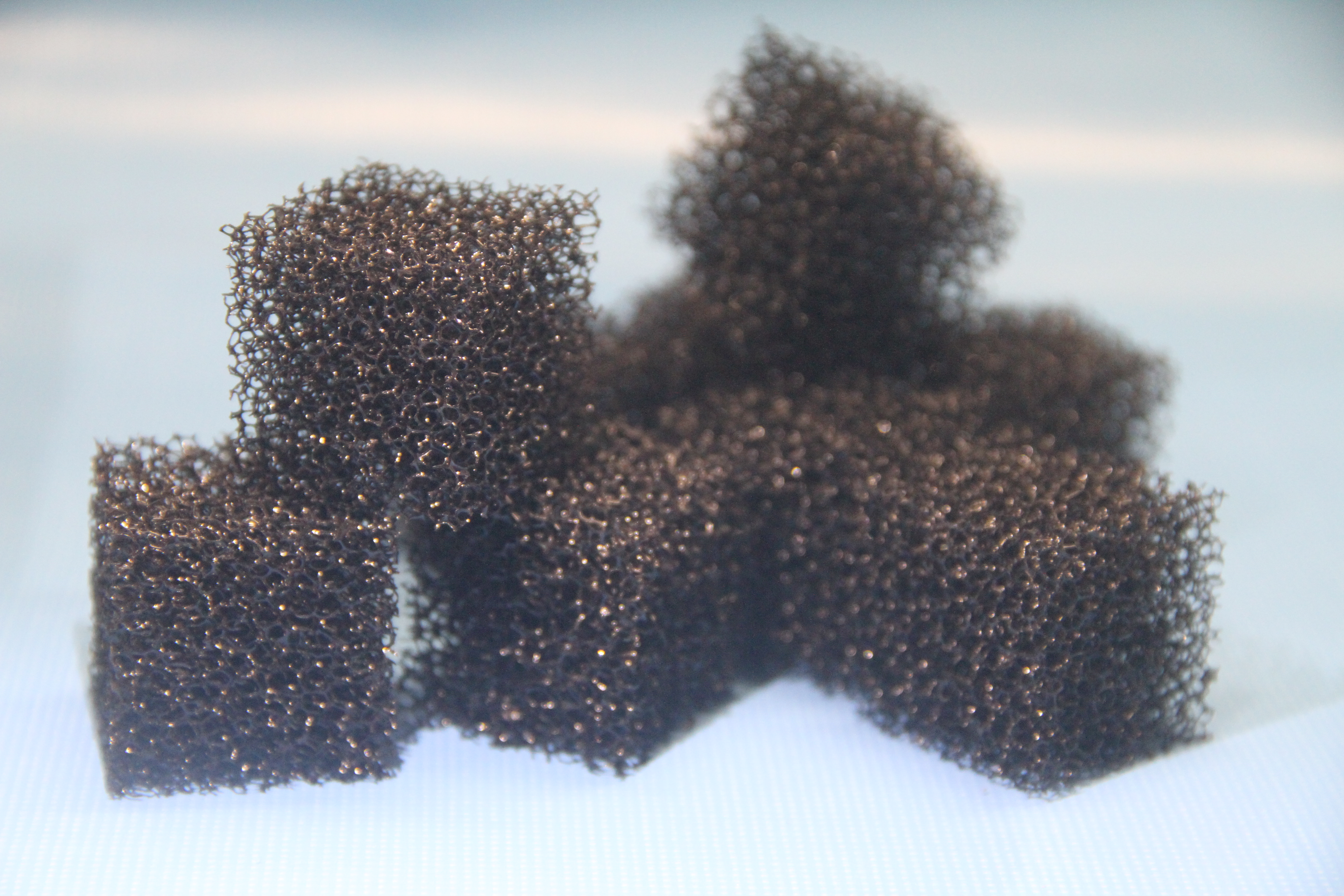
Which Solution Is Right for You?
There is no single wastewater treatment system that works best for every project. The right choice depends on your available space, wastewater characteristics, budget, maintenance capacity, and future plans. Looking at these factors before making a decision can help you avoid costly upgrades later.
A traditional biofilter may be a good option if your facility has enough installation space, produces a steady flow of wastewater, and prefers a well-established treatment method. Many small municipal plants and facilities with predictable daily operations continue to use traditional biofilters because they are dependable and have a long track record.
An MBBR system may be a better fit if space is limited or if wastewater flow and pollutant levels change throughout the day. Industries such as food processing, aquaculture, textile manufacturing, and chemical production often experience changing operating conditions. In these cases, the moving carriers inside an MBBR system can provide more stable treatment while handling higher biological loads.
Future growth is another point to think about. If you expect production to increase over the next few years, selecting a system that can be expanded without major construction may save both time and money. Many MBBR systems allow operators to improve treatment capacity by adding more carrier media, making future upgrades easier.
Before making a final decision, collect as much information as possible about your wastewater. Measure flow rates, identify the main pollutants, and estimate how those values may change over time. Working with experienced engineers or treatment specialists can also help you choose a system that matches your operating goals instead of selecting one based only on the initial purchase cost.
Both MBBR Biochip Media technology and traditional biofilters have proven their value in real wastewater treatment projects. Each offers its own strengths, and both can deliver reliable performance when designed, operated, and maintained correctly. By matching the treatment system to your site's actual needs, you can achieve better water quality, improve operating efficiency, and build a solution that continues to perform well for years to come.

We are the largest MBBR carrier manufacturer and exporter in China, and a leading ISO 9001-certified manufacturer of wastewater treatment solutions and recirculating aquaculture solutions with 20+ years of experience, serving clients in 30+ countries.


