
 EN
EN  EN
EN AR
AR BG
BG HR
HR CS
CS DA
DA NL
NL FI
FI FR
FR DE
DE IT
IT NO
NO PL
PL PT
PT RO
RO RU
RU ES
ES SV
SV IW
IW SR
SR SK
SK SL
SL TR
TR FA
FAPlastic bio filter media is a common choice for biological water and wastewater treatment because it gives helpful microorganisms a place to grow and stay active. These small plastic carriers are designed with surfaces, holes, or channels where a biofilm can develop. As water passes through the media, the microorganisms break down organic matter and help remove pollutants. You may find plastic bio media in sewage treatment plants, aquaculture systems, ponds, and industrial wastewater units. Choosing the right media is not only about its shape or size. You also need to consider the water quality, treatment load, filling ratio, airflow, and how easily the media can move inside the reactor.
Types and Characteristics of Plastic Bio Filter Media
Plastic bio filter media comes in several forms, and each type is designed to give microorganisms enough surface area to grow. Common options include moving bed biofilm reactor (MBBR) carriers, fixed plastic media, and structured plastic sheets or blocks. MBBR carriers are small floating pieces that move freely when air or water keeps them circulating. Fixed media stays in place, giving biofilm a stable surface for long-term growth. Some media have a simple wheel or ring shape, while others use a honeycomb or multi-layer structure to create more protected space for bacteria.
One of the main characteristics to check is the available surface area. A media with more protected surface space can support more microorganisms within the same reactor volume. However, a higher surface area does not automatically mean better treatment. The media must also allow water and oxygen to reach the biofilm. If the design is too crowded or easily clogged, treatment performance can suffer.
Material is another important factor. Many plastic biofiltration media products are made from HDPE or PP because these plastics are lightweight, durable, and resistant to many chemicals found in wastewater. Their density also affects how they behave in a tank. Some carriers are designed to float, while others are used as fixed media.
When selecting media, look at its size, shape, surface structure, density, durability, and expected filling ratio. For example, a small wastewater plant with limited tank space may need a carrier with a high protected surface area, while a simple pond filter may work well with a less complex plastic structure. Matching the media to the actual treatment conditions is more useful than choosing a product based only on its advertised surface area.
Application of Plastic Media in MBBR Systems
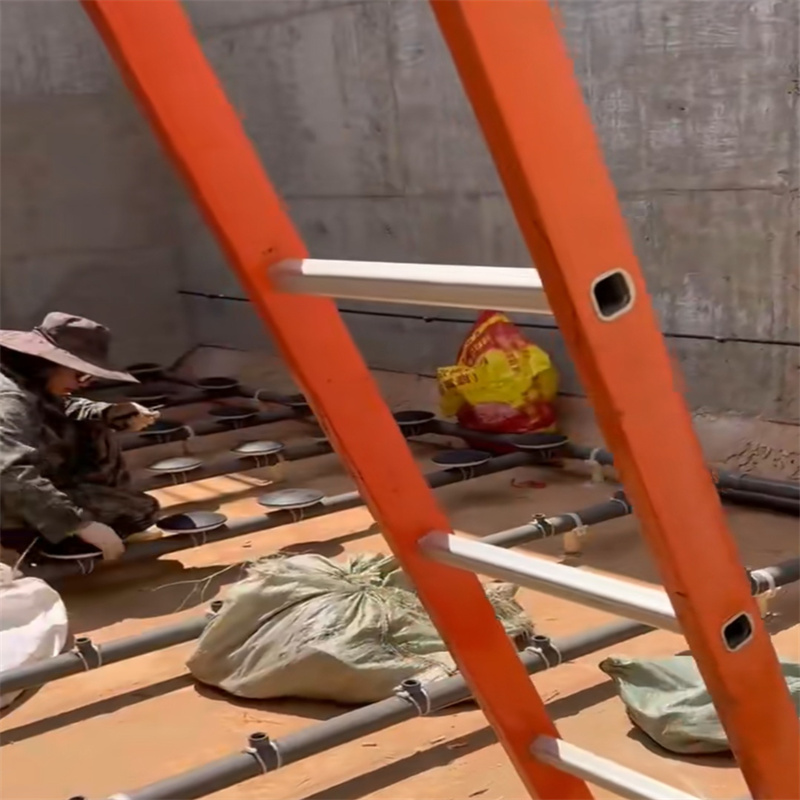
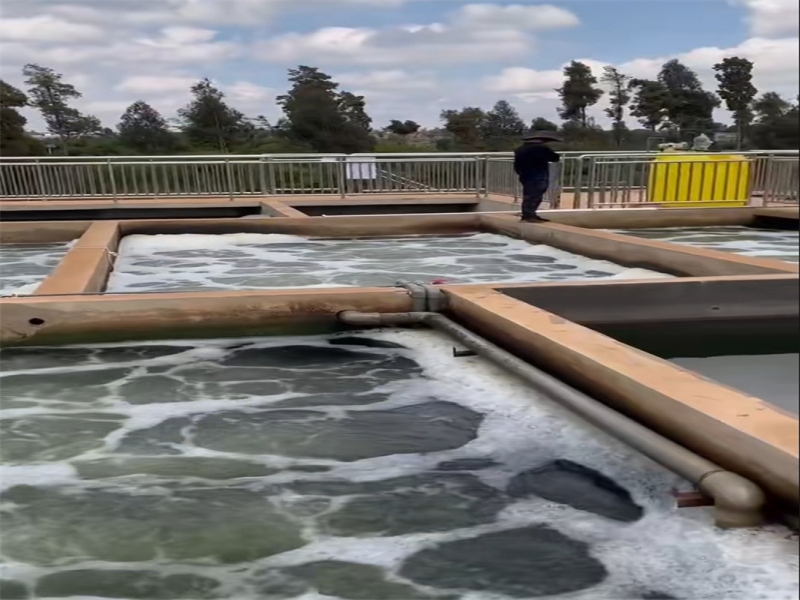
Plastic media plays an important role in MBBR systems by providing a moving surface where microorganisms can grow. During operation, the carriers are kept in motion by air from a diffuser or by mechanical mixing. Wastewater flows around the media, while the biofilm attached to the carriers breaks down organic pollutants. This makes the biological treatment process more active without requiring a large amount of extra tank space.
MBBR systems using plastic media are used in many settings. Municipal wastewater plants may use them to reduce BOD, COD, and ammonia before the treated water moves to the next stage. In an industrial plant, MBBR can be added to handle wastewater from food processing, textile production, chemical manufacturing, and other operations where pollutant levels can change from day to day. The moving carriers can also help the system cope with sudden increases in organic loading.
When setting up an MBBR tank full form , the filling ratio needs careful attention. This refers to the amount of reactor volume occupied by the plastic carriers. A low filling ratio may provide too little surface for the biofilm, while excessive media can restrict movement and reduce mixing. The right level depends on the carrier design and treatment goal.
Good aeration is also important when treating aerobic wastewater. Air should keep the media moving while supplying enough oxygen for the microorganisms. If carriers remain still or gather in one area, parts of the biofilm may not receive enough oxygen.
To keep the system running well, check how the media moves and look for broken or lost pieces. A small screen at the tank's exit can stop media from escaping. When using the right media, filling the tank properly, and mixing steadily, an MBBR system works well for cleaning wastewater in a small area.
How to Choose High-quality Plastic Bio Filter Media
When choosing high-quality plastic bio filter media, start by looking at the actual treatment conditions rather than choosing based only on appearance or price. The media should have a well-designed surface that gives microorganisms enough room to grow while still allowing water and oxygen to move through it. A good design also reduces the chance of clogging and helps keep the carriers moving smoothly inside an MBBR tank.
Material quality is another key point. HDPE and PP are commonly used because they are lightweight and can handle the conditions found in many wastewater treatment systems. Check whether the plastic is strong enough for continuous movement and repeated contact with water, air, and other substances in the reactor. Thin or poorly made carriers may crack or wear out faster, creating extra maintenance work.
Pay close attention to the effective surface area. A larger advertised surface area can look attractive, but what matters is how much of that area can actually support a healthy biofilm. A carrier with protected inner surfaces may perform better than one with a large but poorly used outer surface.
You should also check the media's density and movement behavior. In an MBBR system , carriers need to move freely when aeration or mixing is running. If they are too heavy, too light, or poorly shaped for the reactor, circulation may be uneven. Ask the supplier for information about filling ratio, recommended aeration, and suitable applications.
Finally, test the media when possible. For a new wastewater project, using a small trial quantity can help you observe biofilm growth, movement, and durability before buying a large batch. Also check basic quality details such as consistent dimensions, smooth molding, material strength, and resistance to breakage. These simple checks can help you avoid choosing media that looks good on paper but performs poorly after installation.

We are the largest MBBR carrier manufacturer and exporter in China, and a leading ISO 9001-certified manufacturer of wastewater treatment solutions and recirculating aquaculture solutions with 20+ years of experience, serving clients in 30+ countries.


