
 EN
EN  EN
EN AR
AR BG
BG HR
HR CS
CS DA
DA NL
NL FI
FI FR
FR DE
DE IT
IT NO
NO PL
PL PT
PT RO
RO RU
RU ES
ES SV
SV IW
IW SR
SR SK
SK SL
SL TR
TR FA
FAMaking your own MBBR Biofilm Carriers can be a practical way to improve water filtration without spending a lot on commercial products. Whether you are setting up a small aquarium, pond, or simple aquaponics system, the basic idea is the same: give helpful bacteria plenty of surface area to grow. These bacteria help break down harmful waste in the water and support a healthier system. DIY options can include materials such as plastic bottle pieces, coarse sponge, or other safe, water-resistant materials. The key is not simply choosing the cheapest material, but making sure it is clean, non-toxic, durable, and easy to maintain.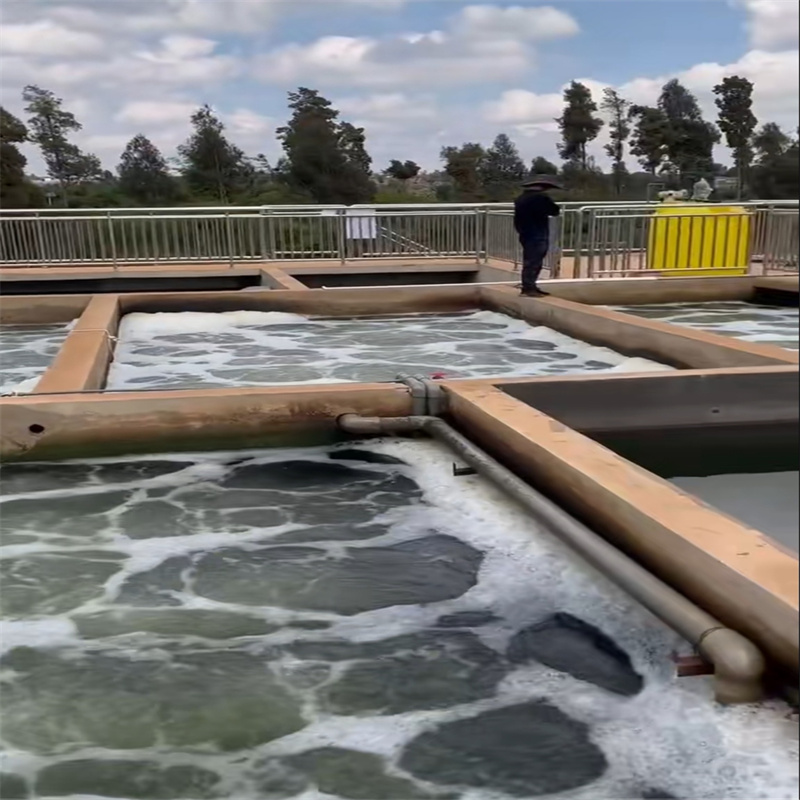
How to choose suitable bio filter media for DIY
When deciding what materials to use in your DIY bio filter, consider the kind of water system you own, and just how much waste it generates. A small aquarium may require much less media to keep it clear than a pond brimming with fish! Generally, look for water- safe substances that won't dissolve harmful compounds. You want material with numerous surface areas that have a jagged design or openness for nitrifying bacteria to form upon. Plastic mesh, coarse sponges, ceramics, and food grade plastics can function if correctly prepared prior to being added to your filter. Stay away from materials that are paint ed, oiled, rusty, and not identified clearly. After preparing all you've picked to put into your filter, wash it away carefully with some of plain, unfiltered water. Make sure the materials you 're using won't fall apart, or become stuck and stop water circulation, which could poison your tank in various ways
Surface area is another important factor. A material with many holes, grooves, or rough sections usually gives bacteria more places to attach. At the same time, the media should allow water to pass through easily. If the material is packed too tightly, water may flow around it instead of through it, reducing the filter's performance.
Think about maintenance too. For example, a pond owner may prefer larger plastic media that can be removed and rinsed easily, while an aquarium owner may choose sponge or small ceramic pieces because they fit neatly inside a compact filter.
A simple test is to place a small amount of your chosen material in a container of water for several days. Check for changes in color, smell, softness, or surface damage. If the material remains stable and clean, it may be suitable for further testing in your filter. Start with a small amount rather than filling the entire filter at once. This makes it easier to spot problems and adjust the setup as you learn what works best for your system.
Steps and tips for making your own bio filter
Making a DIY bio filter is easier when you keep the design simple and focus on steady water flow. Start by choosing a clean container that is large enough for the amount of water your system holds. A food-grade plastic bucket, storage container, or suitable filter box can work for small setups. Make sure the container has no traces of chemicals, detergents, or oils.
Next, create an inlet and outlet so water can move through the filter without leaking. Place a layer of coarse mechanical filter material near the water inlet. This layer catches leaves, uneaten food, and other larger debris before they reach the bio media. Keeping this material separate makes cleaning much easier.
Add your DIY bio media after the mechanical filter layer. You can use clean plastic mesh, coarse sponge, ceramic pieces, or another water-safe material with plenty of open surface. Do not pack the media tightly. Beneficial bacteria need constant contact with oxygen-rich water, so leave enough space for water to move around and through the media.
A small aquarium owner, for example, might build a simple filter using a plastic container, coarse sponge, and several pieces of cleaned plastic mesh. Water enters through the sponge, passes through the bio media, and then returns to the aquarium. The setup does not need to look complicated to work well.
Once the filter is assembled, run the pump and check the water flow. Look for leaks, blocked areas, or places where water is bypassing the media. The filter also needs time to develop beneficial bacteria, so do not expect instant biological filtration.
During maintenance, clean the mechanical layer regularly, but avoid washing all the bio media at the same time. If the bio media needs cleaning, gently rinse it with water taken from the aquarium or pond rather than chlorinated tap water. This helps protect the bacterial community that has grown on the media.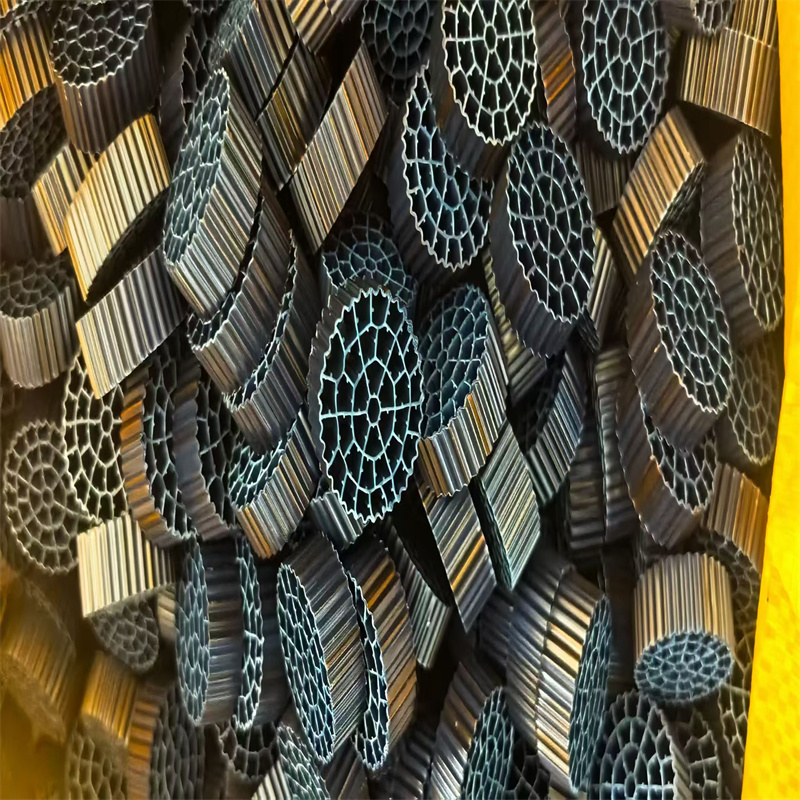
Pros and cons of common DIY bio filter media
DIY bio filter media can save money and give you more control over how your filter is built, but every material has its limits. The best choice depends on your water flow, available space, cleaning routine, and the amount of waste produced by your fish or other aquatic animals.
Plastic mesh is a popular DIY option because it is lightweight, inexpensive, and easy to cut into different shapes. Its open structure allows water to pass through while providing surfaces for beneficial bacteria. It can last a long time when made from water-safe plastic. The downside is that smooth plastic may provide less useful surface area than specially designed MBBR Biochip Media . Small pieces can also shift around if they are not held in place.
Coarse sponge is another practical choice. It provides plenty of surface for bacteria and also catches some solid waste. It is easy to find and simple to clean. However, sponge can become clogged when used as the main mechanical filter, especially in ponds with leaves and other debris. It may also need regular cleaning to maintain good water flow.
Ceramic pieces can offer a large amount of rough surface for bacteria and are relatively easy to place inside a filter. Broken ceramic rings or similar water-safe ceramic materials may be useful in some setups. Their main drawback is that they can break into smaller pieces if handled roughly.
Bottle caps or other small plastic pieces are sometimes used because they are easy to collect and cost very little. They can create plenty of spaces for water to move through, but their performance depends heavily on their shape and surface texture. Always make sure the plastic is clean, non-toxic, and free from labels, glue, or chemical residue.
Before choosing any DIY material, think about safety first. A cheap material is not a good choice if it can release chemicals, fall apart, block the filter, or harm fish. In many cases, a simple combination of mechanical sponge and durable bio media gives a more reliable result than relying on one homemade material alone.

We are the largest MBBR carrier manufacturer and exporter in China, and a leading ISO 9001-certified manufacturer of wastewater treatment solutions and recirculating aquaculture solutions with 20+ years of experience, serving clients in 30+ countries.


