
 EN
EN  EN
EN AR
AR BG
BG HR
HR CS
CS DA
DA NL
NL FI
FI FR
FR DE
DE IT
IT NO
NO PL
PL PT
PT RO
RO RU
RU ES
ES SV
SV IW
IW SR
SR SK
SK SL
SL TR
TR FA
FAChoosing the right filter media can make a big difference in how well a filtration system works. But with so many options available, it is easy to choose a media based only on price or appearance and end up with poor results. The best choice depends on what you are trying to remove, such as dirt, suspended solids, chemicals, odors, or harmful substances. Water quality, flow rate, filter size, and maintenance needs also matter. For example, a small pond may need a very different media from a factory water treatment system. Understanding these basic factors first will help you choose filter media that fits your actual needs.
Choosing Filter Media Based on Water Quality
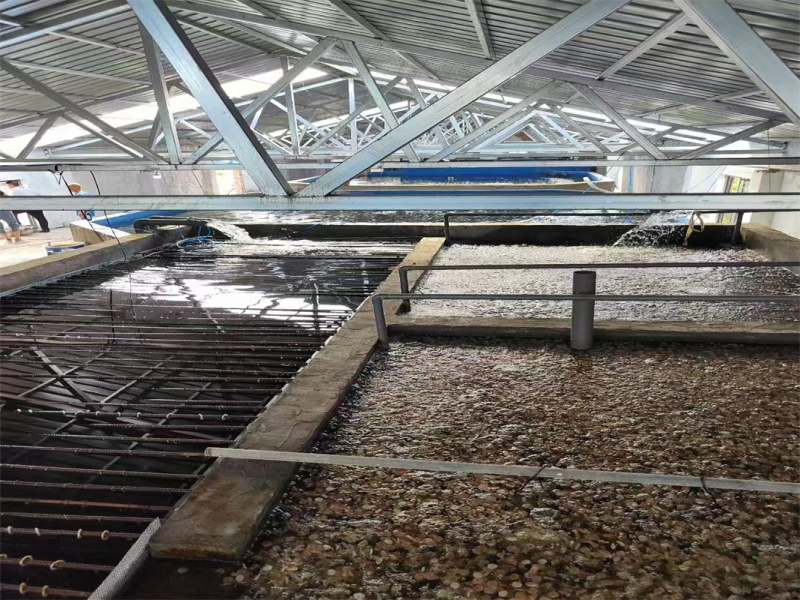
Before choosing bio filter media , start by checking what is actually wrong with the water. Clear water with a high ammonia level needs a different solution from cloudy water filled with suspended particles. If you are dealing with a pond, aquarium, drinking water system, or wastewater plant, a basic water test can save you from choosing the wrong media.
For water with visible dirt, sand, or suspended solids, mechanical media such as filter pads, filter bags, or sand can help trap larger particles. These options are useful when the main problem is cloudy water caused by physical debris. For example, a pond that becomes muddy after heavy rain may benefit from stronger mechanical filtration before the water reaches the biological filter.
If ammonia or nitrite is the concern, biological media is a better choice. Materials with plenty of surface area give beneficial bacteria a place to grow. These bacteria help break down ammonia and nitrite into less harmful compounds. This type of media is common in aquariums, fish ponds, and biological wastewater treatment systems.
Water containing chlorine, unpleasant odors, or certain organic compounds may call for activated carbon. Carbon can adsorb many unwanted substances, making it useful for polishing water after other treatment steps. However, it should not be treated as a universal solution because its performance depends on the substance being removed and the water conditions.
For hard water, iron, or other dissolved minerals, specialized media may be needed. These problems usually cannot be solved effectively with ordinary mechanical filter media. Test the water first, identify the target contaminant, and then match the media to that problem.
A practical approach is to treat the water in stages. Use coarse media to catch larger particles, finer media for smaller solids, and biological or chemical media for dissolved pollutants. This makes the filtration system easier to manage and helps each type of media do the job it is designed for.
Difference Between Biological and Physical Filter Media
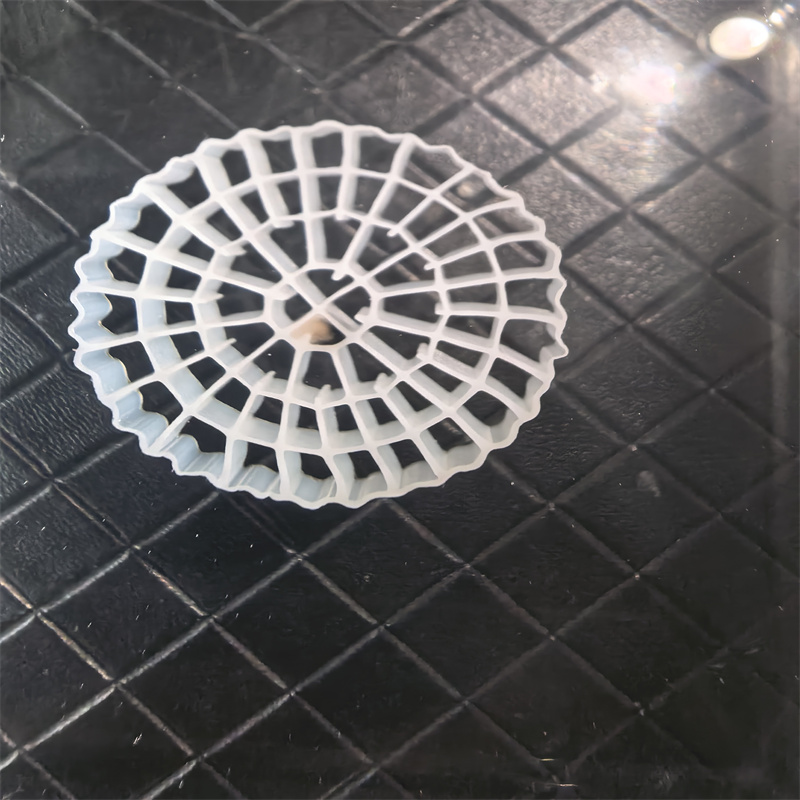
Biological and physical bio filter media for sewage treatment do different jobs, so knowing the difference helps you build a more effective filtration system. Physical media works by trapping unwanted particles as water passes through it. Common examples include filter pads, filter foam, filter bags, sand, and mesh. These materials are useful for removing dirt, leaves, fine debris, and suspended solids. For example, if an aquarium becomes cloudy because of uneaten food or fish waste, physical media can catch these particles before they move deeper into the system.
Biological media works in a different way. Instead of mainly trapping particles, it provides a surface where beneficial microorganisms can live and grow. These microorganisms help break down ammonia and nitrite produced by fish waste and other organic matter. Ceramic rings, plastic bio media, and moving bed media are common examples. A pond with a large fish population may need plenty of biological media because the amount of waste can quickly increase the biological load.
The main difference is simple: physical media removes particles, while biological media supports bacteria that process dissolved waste. Physical media often needs regular cleaning because trapped dirt can restrict water flow. Biological media usually needs gentler maintenance because excessive cleaning can remove the microorganisms that make it effective.
Many filtration systems use both types together. Physical media is normally placed before biological media so that large amounts of dirt do not quickly cover the biological surfaces. For instance, a pond filter might first use coarse foam to catch leaves and larger waste, followed by finer mechanical media and then biological media.
When choosing between them, do not think of one as a replacement for the other. Look at the actual water problem first. If the main issue is cloudy water caused by particles, focus on physical filtration. If ammonia and nitrite are the concern, biological filtration becomes much more important. In many real-world systems, combining both gives better and more stable results.
Performance Comparison of Common Filter Media
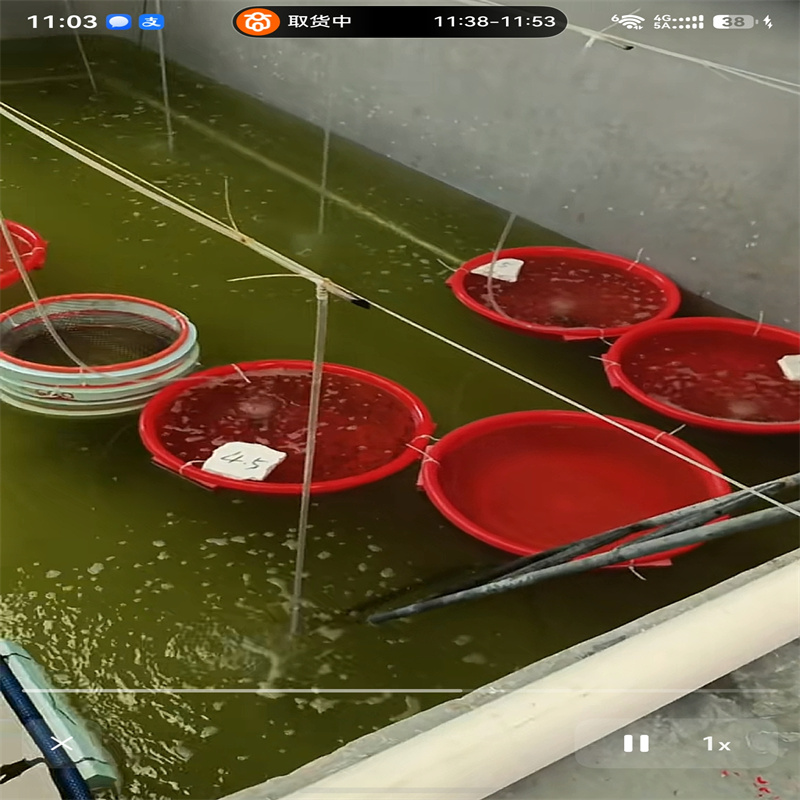
Different bio block filter media perform better for different jobs, so there is no single option that works best for every system. When comparing media, look at what it removes, how much dirt it can hold, how quickly water can pass through it, and how often it needs cleaning or replacement.
Filter foam is a common choice for mechanical filtration. Coarse foam can catch leaves, larger particles, and fish waste without restricting flow too quickly. Fine foam can capture smaller particles and help make water clearer, but it usually needs more frequent cleaning. Foam is also washable, which makes it practical for ponds and aquariums.
Sand is another effective mechanical media, especially when fine suspended solids need to be removed. A properly designed sand filter can produce clear water, but pressure can increase as dirt builds up. Backwashing or cleaning is needed to restore water flow. Sand filters are often used where steady filtration and relatively large water volumes are involved.
Activated carbon works in various ways. It's mostly used to remove smells, color, chlorine, and some organic substances from water. It can help clean water as a final step, but it can only absorb so much. When it stops working, it must be replaced depending on the kind and how it's used.
Biological media, such as plastic carriers and ceramic media, is designed to support beneficial bacteria. Its performance depends heavily on surface area, oxygen supply, water movement, and the biological load of the system. A well-maintained biological filter can provide long-term treatment without frequent media replacement.
Filter bags and cartridges can provide precise particle removal, with the performance depending on the selected micron rating. Finer ratings can capture smaller particles, but they may clog faster when the water contains a lot of solids.
When comparing options, focus on the actual filtration goal rather than choosing the media with the highest advertised performance. A pond with heavy debris may need strong mechanical filtration, while a fish tank with high biological waste may need more biological media. In many systems, combining two or more media types provides better overall performance than relying on one material alone.

We are the largest MBBR carrier manufacturer and exporter in China, and a leading ISO 9001-certified manufacturer of wastewater treatment solutions and recirculating aquaculture solutions with 20+ years of experience, serving clients in 30+ countries.


