
 EN
EN  EN
EN AR
AR BG
BG HR
HR CS
CS DA
DA NL
NL FI
FI FR
FR DE
DE IT
IT NO
NO PL
PL PT
PT RO
RO RU
RU ES
ES SV
SV IW
IW SR
SR SK
SK SL
SL TR
TR FA
FAWhen you hear the term MBBR in an STP, it may sound like another complicated part of wastewater treatment. In simple words, MBBR is a biological treatment process that uses small plastic carriers to help useful microorganisms grow and remove pollutants from sewage. STP means Sewage Treatment Plant, where wastewater from homes, hotels, apartments, or other buildings is treated before it is discharged or reused. MBBR can handle changing wastewater loads while taking up less space than some traditional treatment systems. To understand how it works, it helps to look at what happens inside the MBBR tank and why these small media pieces are so important.
Working Principle of MBBR in Wastewater Treatment
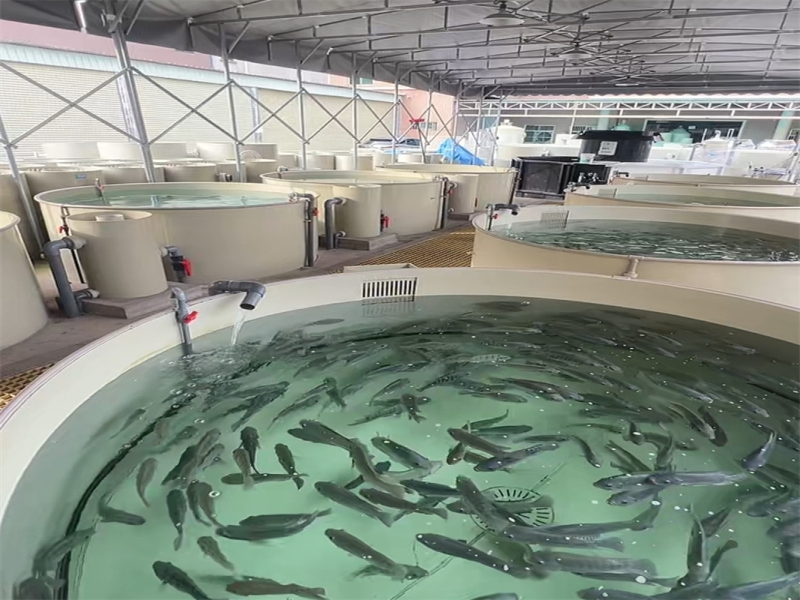
The working principle of MBBR is based on using small plastic carrier media to provide a place for microorganisms to grow. Wastewater first enters the MBBR tank, where the media is kept moving by air bubbles from an aeration system. As the carriers move around, a thin layer of biofilm develops on their surface. This biofilm contains microorganisms that feed on organic pollutants and help break them down.
For example, when sewage from an apartment building enters the tank, it may contain organic matter, ammonia, and other unwanted substances. As the wastewater mixes with the moving media, microorganisms come into contact with these pollutants and start treating them. Aeration supplies oxygen for the microorganisms and also keeps the carriers moving.
The treated water then flows to the next stage of the STP, while the plastic carriers remain inside the MBBR tank full form . A screen or retaining system at the tank outlet prevents the media from leaving with the treated water. Over time, the biofilm grows, becomes thicker, and some older biofilm naturally breaks away from the carriers. This helps keep the biological layer active.
For good performance, operators need to control factors such as dissolved oxygen, media filling ratio, wastewater flow, and organic loading. If oxygen is too low, the microorganisms may not work properly. If the media is overloaded or the wastewater contains harmful chemicals, treatment performance can also drop. Regular monitoring helps keep the MBBR process stable and gives the microorganisms the right conditions to do their job.
Comparison Between MBBR and Conventional Processes
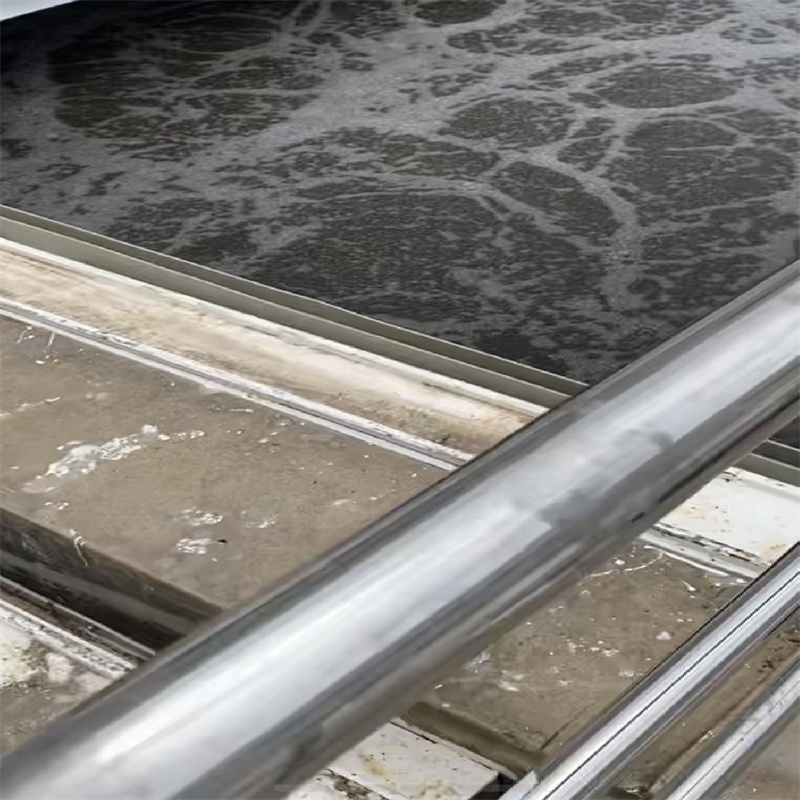
MBBR and conventional biological treatment processes both use microorganisms to reduce organic pollutants in wastewater, but the way they support these microorganisms is different. In a conventional activated sludge system, microorganisms mainly stay suspended in the wastewater and are separated later through a settling tank. MBBR, on the other hand, uses floating carrier media where microorganisms grow as a biofilm. This gives MBBR more surface area for biological activity inside the same tank.
For a small hotel or apartment complex, this difference can matter when available space is limited. An MBBR system can often provide good treatment performance without requiring a very large biological tank. The moving media also helps the process handle changes in wastewater flow and organic loading.
Conventional activated sludge can still be a practical choice, especially where sufficient land is available and sludge recycling is easy to manage. It has been widely used for many years and can provide reliable treatment when properly designed and operated. However, it usually needs a return activated sludge system to send settled microorganisms back to the biological tank.
MBBR Biofilm Carriers has a simpler biological setup because the carrier media stays inside the reactor, so there is no need to return the biofilm carriers. The process also tends to produce less dependence on sludge settling for maintaining the biological population. Still, MBBR is not automatically better for every STP. The right choice depends on wastewater characteristics, treatment targets, available space, operating conditions, energy costs, and the required downstream treatment.
When comparing the two systems, look beyond the tank size alone. Check oxygen requirements, media filling ratio, sludge handling, maintenance needs, and expected changes in wastewater flow. A properly designed conventional system may work very well, while a well-designed MBBR can be a useful option where compact treatment and stable biological performance are important.
Application Advantages of MBBR in STP
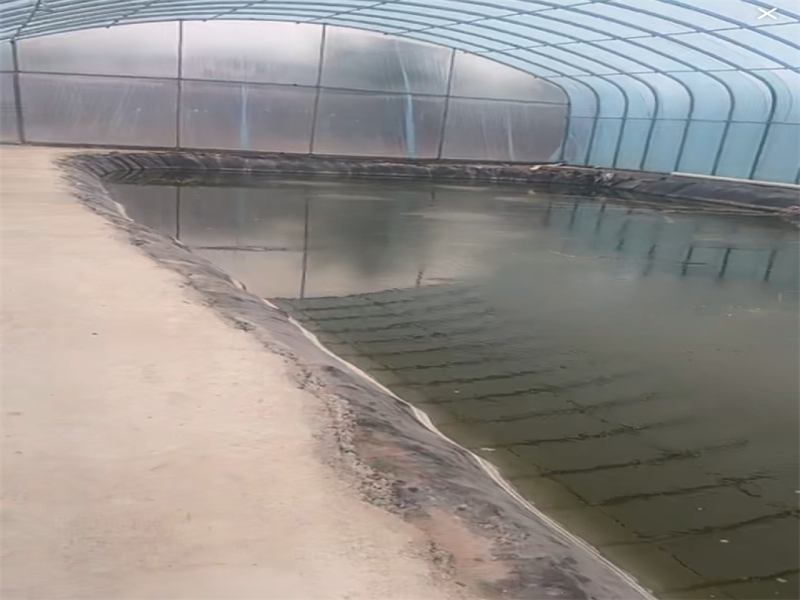
MBBR is used in many sewage treatment plants because it can provide strong biological treatment without requiring a large amount of space. The process works well for residential buildings, hotels, hospitals, schools, commercial properties, and other facilities that produce regular wastewater. Its flexibility also makes it useful when an existing STP needs better treatment capacity without completely rebuilding the plant.
One major advantage is its compact design. The carrier media provides a large surface area for microorganisms to grow, allowing more biological activity to take place inside the treatment tank. This can be helpful in crowded locations where expanding the STP is difficult. For example, a hotel may need to increase its treatment capacity after adding more rooms, but may not have enough land for a much larger conventional system. Adding or improving MBBR treatment can be one option to consider.
MBBR Biochip Media can also handle changes in wastewater flow and organic load relatively well. Daily sewage production is rarely constant. Morning and evening peaks can create higher loads, while the flow may drop during other hours. A healthy biofilm attached to the carrier media can help the biological process remain active during these changes.
Another advantage is that the media stays in the reactor, so there's no need to pump it back through a return sludge system. This makes the biological process simpler to manage. The system can also work together with other treatment steps like screening, settling, filtering, and disinfection to build a full sewage treatment plant.
MBBR is not maintenance-free, though. Operators still need to check aeration, dissolved oxygen, media movement, screens, sludge buildup, and water quality. Choosing the correct media filling ratio is also important. Too little media may limit treatment capacity, while excessive filling can affect movement and oxygen transfer. With proper design and routine monitoring, MBBR can offer a compact and practical approach to biological sewage treatment.

We are the largest MBBR carrier manufacturer and exporter in China, and a leading ISO 9001-certified manufacturer of wastewater treatment solutions and recirculating aquaculture solutions with 20+ years of experience, serving clients in 30+ countries.


