
 EN
EN  EN
EN AR
AR BG
BG HR
HR CS
CS DA
DA NL
NL FI
FI FR
FR DE
DE IT
IT NO
NO PL
PL PT
PT RO
RO RU
RU ES
ES SV
SV IW
IW SR
SR SK
SK SL
SL TR
TR FA
FAClean water is something every community and business depends on, but treating wastewater is becoming more challenging as water use continues to grow. Many treatment plants are looking for better ways to improve water quality without expanding their existing systems. One solution that has gained wide acceptance is MBBR bio media. These small plastic carriers create a home for helpful bacteria that naturally break down organic waste in water. From city wastewater plants to food processing factories, MBBR systems help improve treatment performance while keeping operation and maintenance simple. Understanding how this technology works can help you choose a more reliable and efficient biological treatment process.
What Is MBBR Technology?
Moving Bed Biofilm Reactor (MBBR) technology is a biological wastewater treatment process that uses thousands of small plastic carriers, often called bio media, inside an aeration or treatment tank. These carriers move freely in the water with the help of air or mechanical mixing. As they circulate, they provide a large surface where beneficial bacteria can grow and form a thin layer called a biofilm.
The bacteria living on the bio media feed on organic pollutants, ammonia, and other unwanted substances found in wastewater. As wastewater flows through the tank, the bacteria naturally break down these contaminants, making the water cleaner before it moves to the next treatment stage or is discharged.
One of the biggest reasons MBBR Biofilm Carriers technology has become so popular is that it packs a large amount of biological treatment into a relatively small space. Since the bacteria grow on the carriers instead of remaining suspended in the water, treatment plants can handle higher wastewater loads without needing much larger tanks. This makes MBBR a practical choice for both new facilities and existing plants that want to increase capacity without major construction.
For example, a dairy processing plant that experiences higher wastewater volumes during peak production can add MBBR bio media to improve treatment performance without building an entirely new biological system. Many municipal wastewater plants have also upgraded older activated sludge systems with MBBR to meet stricter discharge standards while making better use of their available space.
When operating an MBBR system, regular checks are still important. Operators should make sure the bio media moves freely, aeration is working properly, and the carrier fill ratio stays within the recommended range. Simple routine maintenance helps keep the bacteria healthy and allows the system to perform consistently over time. With proper operation, MBBR technology offers an effective and reliable way to improve biological wastewater treatment in many different industries.
How Bio Media Supports Bacterial Growth
The success of an MBBR system depends on the healthy growth of beneficial bacteria. MBBR bio media is specially designed to give these microorganisms a safe place to live and multiply. Each carrier has a large protected surface with small spaces where bacteria can attach and grow into a stable biofilm. As the carriers move through the tank, the bacteria stay firmly attached while wastewater flows around them.
This constant contact allows the bacteria to feed on organic matter, ammonia, and other pollutants. Instead of floating freely in the water, they remain protected on the bio media, making them less likely to wash out during changes in water flow. As the biofilm becomes thicker, the outer layer continues breaking down waste while older cells naturally detach, making room for new bacterial growth. This ongoing cycle helps keep the treatment process balanced without requiring frequent intervention.
Different types of bacteria can live on the same piece of bio media. Some remove organic waste, while others convert harmful ammonia into nitrate through nitrification. This mix of microorganisms allows the system to treat different kinds of wastewater at the same time, improving overall treatment efficiency.
A good example is a seafood processing plant, where wastewater quality can change from day to day. The protected biofilm on the carriers helps the bacterial population stay active even when pollutant levels rise after busy production periods. As a result, the treatment system remains more stable and delivers consistent water quality.
To support healthy bacterial growth, operators should maintain enough dissolved oxygen, avoid sudden chemical shocks, and monitor the amount of bio media inside the tank. Regular checks of aeration equipment also help keep the carriers moving freely so every surface receives oxygen and nutrients. With the right operating conditions, the biofilm stays healthy, allowing the bacteria to work around the clock and improve biological wastewater treatment with reliable, long-term performance.
Benefits of High Surface Area Media
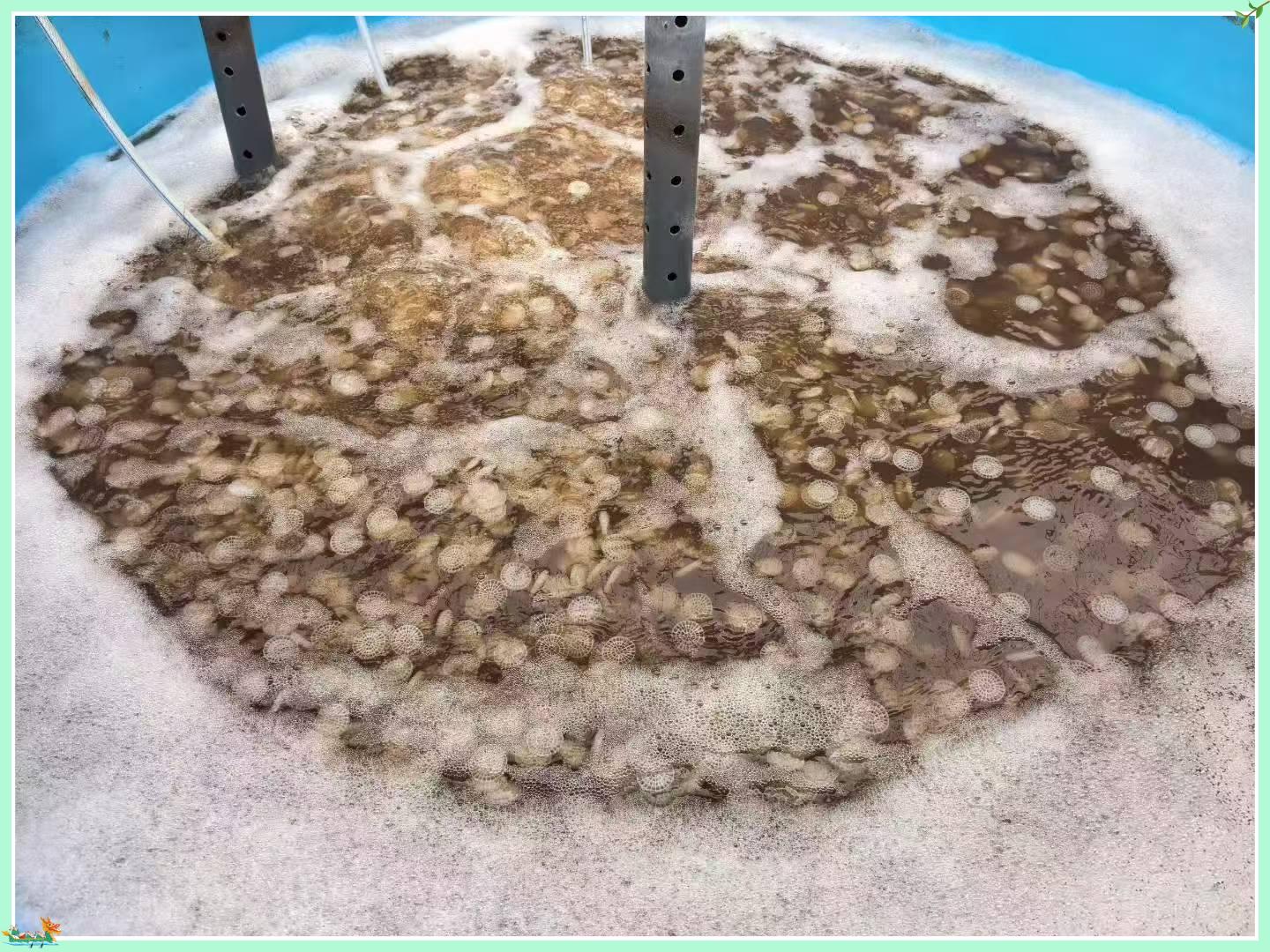
One of the biggest advantages of MBBR Biochip Media is its high surface area. Although each carrier is small, its specially designed shape provides a large amount of space for beneficial bacteria to grow. Since thousands of carriers are placed inside the treatment tank, the total area available for biofilm becomes much larger than it appears at first glance. More space for bacteria means more microorganisms are available to remove pollutants from wastewater.
A higher surface area allows the treatment system to process larger amounts of wastewater without increasing the size of the tank. This is especially helpful for facilities that need to improve treatment performance but have limited room for expansion. Instead of building new tanks, many operators can upgrade an existing system by adding the right amount of MBBR bio media.
For example, a beverage factory may experience higher wastewater loads during busy production seasons. By using high surface area bio media, the treatment plant can support a larger bacterial population that handles the extra organic waste more efficiently. This helps the system continue producing stable effluent quality even when wastewater volume changes throughout the year.
High surface area media also improves system stability. Since more bacteria are attached to the carriers, the treatment process can recover faster after temporary changes such as heavier wastewater loads or short production shutdowns. The larger bacterial population gives the system extra capacity to handle these changes without a major drop in performance.
To get the best results, operators should choose bio media with a surface area that matches their treatment goals and wastewater characteristics. Filling the tank with the recommended amount of carriers and keeping them in constant motion helps every piece of media stay active. Regular inspection of aeration equipment and screens also prevents blockages and keeps the carriers circulating properly. When selected and operated correctly, high surface area bio media helps improve treatment efficiency, supports stable bacterial growth, and extends the performance of biological wastewater treatment systems.
Common Industrial Applications
MBBR bio media is used in many industries because it can treat different types of wastewater while adapting to changing operating conditions. Whether the wastewater comes from food production, manufacturing, or municipal sources, the system provides a stable environment where beneficial bacteria can remove organic waste and reduce harmful pollutants.
Food and beverage factories are among the most common users of MBBR technology. Wastewater from dairy plants, breweries, meat processing facilities, and beverage manufacturers often contains high levels of organic matter. MBBR systems help break down these materials before the water is discharged or sent for additional treatment. This allows factories to maintain consistent treatment performance even during busy production periods.
Municipal wastewater treatment plants also rely on MBBR biological media to improve existing biological treatment systems. Many cities use it when upgrading older facilities because it increases treatment capacity without requiring large new tanks. This approach saves both space and construction costs while helping plants meet stricter discharge standards.
The technology is also widely used in industries such as textiles, pulp and paper, aquaculture, and chemical manufacturing. In fish farms, for example, MBBR bio media supports bacteria that convert toxic ammonia into less harmful compounds, helping maintain healthier water for aquatic animals. In textile factories, it helps reduce organic pollutants before wastewater enters the final treatment stage.
Hotels, hospitals, shopping centers, and residential communities also benefit from compact MBBR systems, especially where available land is limited. These systems can provide reliable biological treatment without taking up a large footprint, making them suitable for decentralized wastewater treatment projects.
Before selecting an MBBR system, it is helpful to understand the wastewater's characteristics, including flow rate and pollutant levels. Choosing the right bio media type, carrier fill ratio, and aeration system helps the process perform more efficiently. With proper design and routine maintenance, MBBR technology delivers dependable biological wastewater treatment across a wide range of industries and operating conditions.
Choosing Quality MBBR Media

Choosing the right MBBR bio media is an important step in building a reliable wastewater treatment system. While many products may look similar, their design, material quality, and performance can vary. A well-made bio media provides a stable surface for beneficial bacteria, lasts for many years, and helps the treatment process run efficiently under different operating conditions.
One of the first things to consider is the protected surface area. A larger protected surface gives bacteria more room to grow while shielding the biofilm from excessive wear as the carriers move around the tank. The shape of the media also matters. A good design allows water and oxygen to flow freely through the carrier so bacteria receive the nutrients they need to stay active.
The quality of materials used is also a crucial consideration. High-grade MBBR media is typically constructed from resilient plastics like polyethylene, which are resistant to chemicals, abrasion, and prolonged contact with wastewater. These strong materials ensure the carriers maintain their structural integrity over years of constant motion within the reactor. As a result, replacements are less frequent, leading to reduced maintenance expenses.
It is also helpful to choose media that matches your wastewater type and treatment goals. For example, a food processing plant with high organic loads may require a different carrier design than a municipal wastewater treatment facility focused on ammonia removal. Working with an experienced supplier can make it easier to select the right fill ratio, carrier size, and reactor configuration for the application.
Before purchasing, ask about product testing, manufacturing quality, and performance data from real projects. A supplier that provides technical support and shares operating recommendations can make installation and startup much smoother.
Although the lowest-priced option may seem attractive, long-term performance is usually more valuable than saving money upfront. Reliable MBBR bio media can improve treatment efficiency, reduce operating problems, and provide stable biological treatment for many years. Choosing quality media from the beginning helps create a wastewater treatment system that performs consistently as demands change over time.

We are the largest MBBR carrier manufacturer and exporter in China, and a leading ISO 9001-certified manufacturer of wastewater treatment solutions and recirculating aquaculture solutions with 20+ years of experience, serving clients in 30+ countries.


