
 EN
EN  EN
EN AR
AR BG
BG HR
HR CS
CS DA
DA NL
NL FI
FI FR
FR DE
DE IT
IT NO
NO PL
PL PT
PT RO
RO RU
RU ES
ES SV
SV IW
IW SR
SR SK
SK SL
SL TR
TR FA
FAGood water is a cornerstone of any successful aquaculture business. Whether you cultivate fish, shrimps or any other water species, water quality and stability have a significant impact on their growth, survival, and daily operation. One type of technology which has gained popularity in this area is the Moving Bed Biofilm Reactor (MBBR) media. It consists of small floats which serve as habitats for beneficial bacteria that clean the water by filtering toxic substances out of it. Small family businesses as well as commercial ones often opt for MBBR Biofilm Carriers as it positively affects water quality and decreases the amount of maintenance.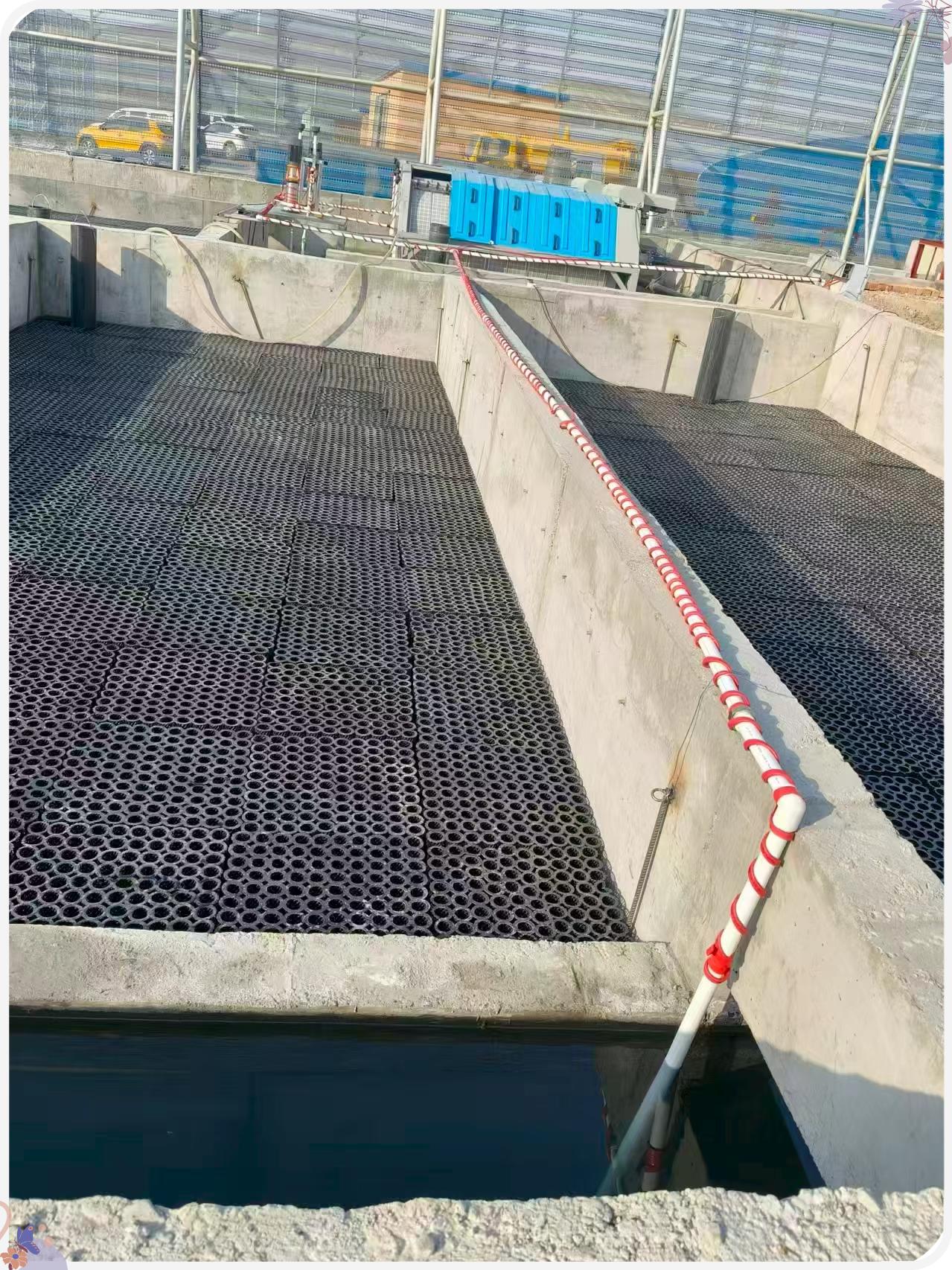
Challenges in Modern Aquaculture
Modern aquaculture has made it possible to produce more seafood in less space, but it also brings a new set of challenges. As farms become larger and stock more fish or shrimp, waste builds up faster. Left untreated, uneaten feed, fish waste, and other organic matter release ammonia into the water. Even a small rise in ammonia can stress aquatic animals, reduce their appetite, slow their growth, and increase the risk of disease.
Water quality is one of the biggest concerns for every farm. Many producers need to balance oxygen levels, pH, temperature, and waste removal every day. If one factor moves outside the ideal range, the entire system can be affected. During hot weather or periods of heavy feeding, these changes can happen quickly, leaving little time to react.
Another common problem is the cost of water management. Traditional methods often depend on frequent water replacement to remove waste. This approach uses large amounts of water and can increase pumping and treatment costs. In places where clean water is limited or expensive, regular water changes may not be practical.
Disease prevention is another ongoing challenge. Poor water quality creates conditions where harmful bacteria and parasites can spread more easily. Once disease appears, farmers may face production losses, higher treatment costs, and lower product quality. Preventing these problems is usually more effective than dealing with them after they occur.
For example, a tilapia farm that increased its stocking density without improving its filtration system noticed slower fish growth and more health issues after several weeks. After upgrading its biological filtration and improving water management, the farm restored stable water conditions and saw healthier fish over the following production cycle.
These challenges explain why many aquaculture operators are looking for better biological filtration methods that keep water clean, reduce maintenance, and support healthy aquatic animals throughout the growing season.
Why Biofiltration Is Important
Biofiltration plays a key role in keeping aquaculture systems healthy and productive. Every day, fish and shrimp produce waste, while leftover feed breaks down in the water. As this waste builds up, it releases ammonia, which is harmful even at low levels. Without a reliable way to remove it, water quality can decline quickly, putting stress on aquatic animals and increasing the chance of disease.
A biofilter works by supporting colonies of beneficial bacteria. These bacteria naturally convert toxic ammonia into nitrite and then into nitrate, which is much less harmful. This process, known as the nitrogen cycle, happens continuously as long as the bacteria have enough oxygen and a suitable surface to grow on. By keeping this cycle active, biofiltration helps maintain a safer environment for fish and shrimp.
Good biofiltration also creates more stable water conditions. Instead of relying on frequent water changes to control waste, farmers can maintain cleaner water with less disruption to the system. Stable water quality allows aquatic animals to feed normally, grow at a steady rate, and experience less stress during production.
This is especially valuable in recirculating aquaculture systems (RAS), where the same water is reused after treatment. Since fresh water is added only when needed, the biofilter becomes one of the most important parts of the entire system. If it performs well, farmers can reduce water use while maintaining healthy conditions for their stock.
For example, a shrimp farm that regularly experienced ammonia spikes after heavy feeding added a properly sized biological filtration system. Over time, water quality became more consistent, feeding schedules were easier to manage, and shrimp survival improved. The farm also reduced the need for emergency water exchanges, saving both water and labor.
A strong biofiltration system does more than clean the water. It helps create a balanced environment where aquatic animals can stay healthier, grow more efficiently, and perform better throughout the production cycle.
How MBBR Media Improves Water Quality
MBBR media improves water quality by giving beneficial bacteria a large surface where they can grow and stay active. These small plastic carriers move freely inside the biofilter tank as air or water keeps them in motion. As they circulate, bacteria form a thin biofilm on the surface of each carrier and begin breaking down harmful waste in the water.
The biggest benefit is the removal of ammonia, one of the most dangerous compounds in aquaculture systems. Fish and shrimp release ammonia through their waste, while leftover feed adds even more as it decomposes. The bacteria living on the MBBR media convert ammonia into nitrite and then into nitrate, which is far less harmful when kept at proper levels. This natural process helps maintain a healthier environment without relying on constant water replacement.
Because the media is always moving, fresh water and oxygen continuously reach the biofilm. This keeps the bacteria active and reduces the chance of clogging, which is a common problem with some fixed biofilter systems. The movement also helps old bacteria naturally shed from the surface, making room for new, active colonies to grow.
Cleaner water leads to healthier aquatic animals. Fish and shrimp are less likely to experience stress caused by poor water conditions, allowing them to feed more consistently and grow at a steady pace. Stable water quality can also lower the risk of disease outbreaks, reducing unexpected losses during production.
For example, a recirculating tilapia farm that struggled with rising ammonia after increasing its stocking density installed MBBR media in its biological filtration system. Within a short period, water test results became more stable, the fish showed better feeding activity, and the farm reduced the number of emergency water changes. This allowed workers to spend less time correcting water quality problems and more time managing the overall health of the stock.
By supporting a strong population of beneficial bacteria, MBBR media provides continuous biological filtration that keeps aquaculture water cleaner, more stable, and better suited for healthy fish and shrimp.
Benefits for Fish Health and Growth
Healthy fish begin with a healthy environment, and water quality has a direct impact on how well they grow. When MBBR media keeps ammonia and other harmful waste under control, fish can live in cleaner, more stable water. This reduces daily stress and allows them to use more of their energy for feeding and growth instead of coping with poor water conditions.
One of the biggest advantages is improved appetite. Fish living in clean water are more likely to eat regularly, leading to better feed conversion and more consistent weight gain. Farmers often notice that fish grow at a more even rate, making it easier to plan harvest schedules and meet market demands.
Good water quality also supports a stronger immune system. Fish that are not constantly exposed to high ammonia or unstable conditions are generally more resistant to common diseases. While no filtration system can completely prevent illness, reducing environmental stress helps lower the chances of disease outbreaks and the need for frequent treatments.
Another benefit is higher survival rates, especially during sensitive stages such as fry, fingerling, or juvenile production. Young fish are more vulnerable to changes in water quality, so maintaining stable conditions can make a noticeable difference. Even a small improvement in survival can have a positive effect on the farm's overall production and profitability.
For example, a trout farm upgraded its filtration system with MBBR media after experiencing uneven fish growth and occasional health problems. Over the next production cycle, water quality remained more stable, fish fed more consistently, and fewer losses were reported. The farm also found it easier to maintain its feeding schedule because the fish stayed active throughout the growing period.
Healthy fish are not the result of one single factor. Proper nutrition, good stocking practices, and regular water monitoring all play important roles. MBBR media supports these efforts by providing reliable biological filtration that keeps the water in better condition every day. With cleaner water and lower stress, fish have a better chance to grow steadily, stay healthy, and reach market size with fewer setbacks.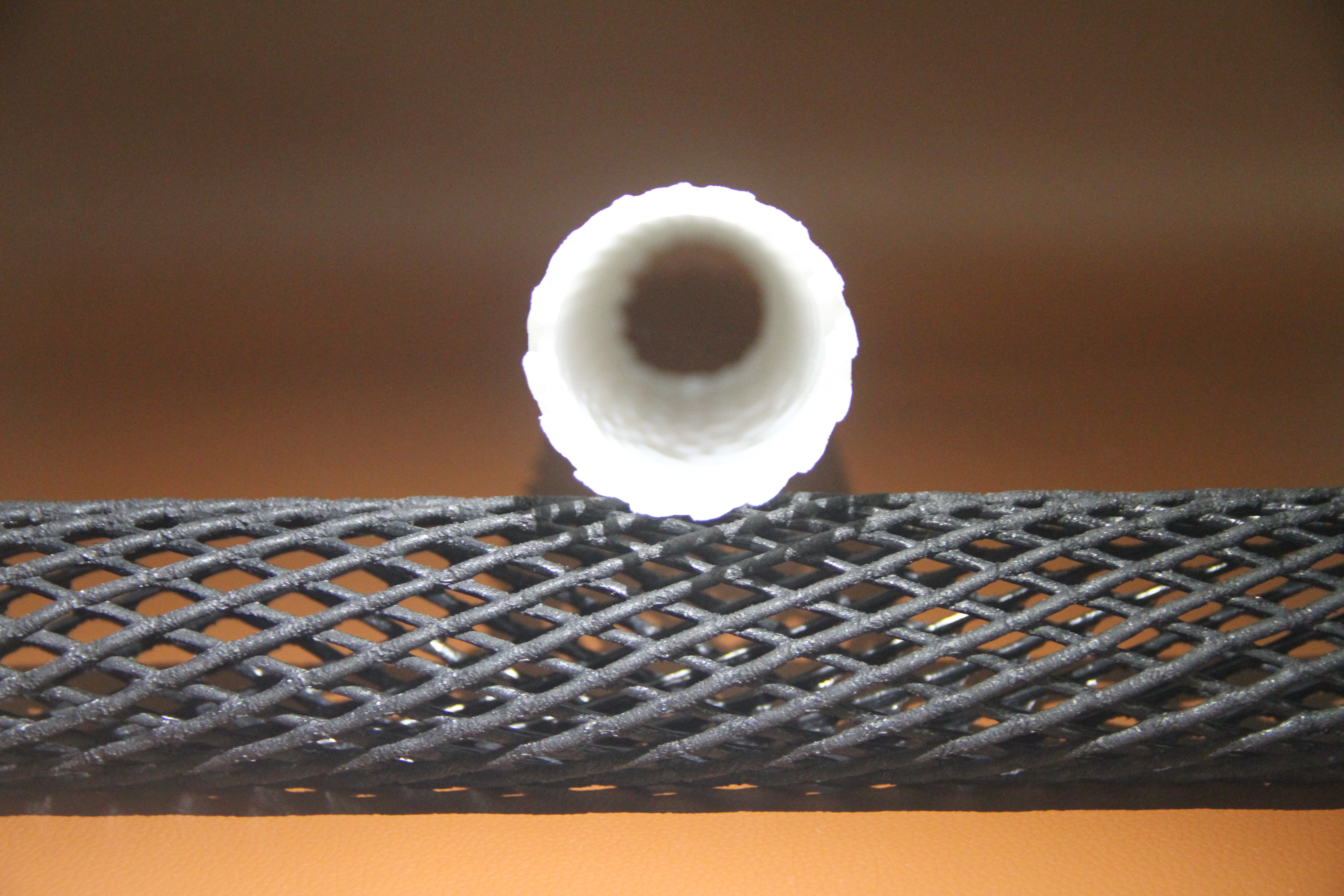
Long-Term Cost Savings
Installing an MBBR system requires an upfront investment, but many aquaculture operators find that it helps reduce operating costs over the long run. By improving biological filtration and maintaining better water quality, MBBR Biochip Media can lower daily expenses in several areas of farm management.
One of the most noticeable savings comes from reduced water use. Since beneficial bacteria remove harmful waste continuously, farms often need fewer water exchanges to keep ammonia and nitrite under control. This means lower water consumption, reduced pumping costs, and less money spent on treating incoming or discharged water. These savings can become significant for larger farms that handle thousands of liters of water every day.
Labor costs may also decrease. Stable water quality means workers spend less time responding to sudden ammonia spikes or performing emergency water changes. Instead, they can focus on routine monitoring, feeding, and maintaining healthy stock. A system that runs consistently also helps reduce unexpected interruptions during production.
Healthy fish and shrimp bring additional financial benefits. When water conditions remain stable, animals are more likely to eat well, grow evenly, and survive until harvest. Higher survival rates and better feed conversion can increase overall production without raising stocking numbers. Fewer disease outbreaks also mean lower spending on treatments and fewer production losses.
Maintenance is another area where MBBR media offers value. Because the carriers move freely inside the biofilter, they are less likely to clog than some traditional biological filters. This reduces cleaning frequency and helps the system continue operating efficiently with less downtime.
For example, a commercial catfish farm introduced MBBR media after facing rising water and maintenance costs. Over the following year, the farm reduced water replacement, spent less time cleaning the filtration system, and reported better fish survival. Although the initial installation required an investment, the lower operating costs helped offset that expense over time.
Every aquaculture farm has different needs, but reducing waste, improving fish health, and lowering maintenance costs can make a meaningful difference. For many producers, MBBR media is not just a water treatment solution—it is a practical way to support long-term efficiency and more predictable operating costs.

We are the largest MBBR carrier manufacturer and exporter in China, and a leading ISO 9001-certified manufacturer of wastewater treatment solutions and recirculating aquaculture solutions with 20+ years of experience, serving clients in 30+ countries.


