
 EN
EN  EN
EN AR
AR BG
BG HR
HR CS
CS DA
DA NL
NL FI
FI FR
FR DE
DE IT
IT NO
NO PL
PL PT
PT RO
RO RU
RU ES
ES SV
SV IW
IW SR
SR SK
SK SL
SL TR
TR FA
FABiological media is a material used in water and wastewater filtration to give helpful bacteria a place to grow. These bacteria break down organic waste and help keep water cleaner and healthier. You can find biological media in aquarium filters, pond filtration systems, fish farms, and wastewater treatment plants. The media may look simple, but its surface provides a home for millions of microorganisms. For example, when a pond filter contains bio media, bacteria grow on its surface and help process waste produced by fish and leftover food. Understanding how biological media works makes it easier to choose, install, and maintain the right type for a filtration system.
Definition and Function of Biological Media
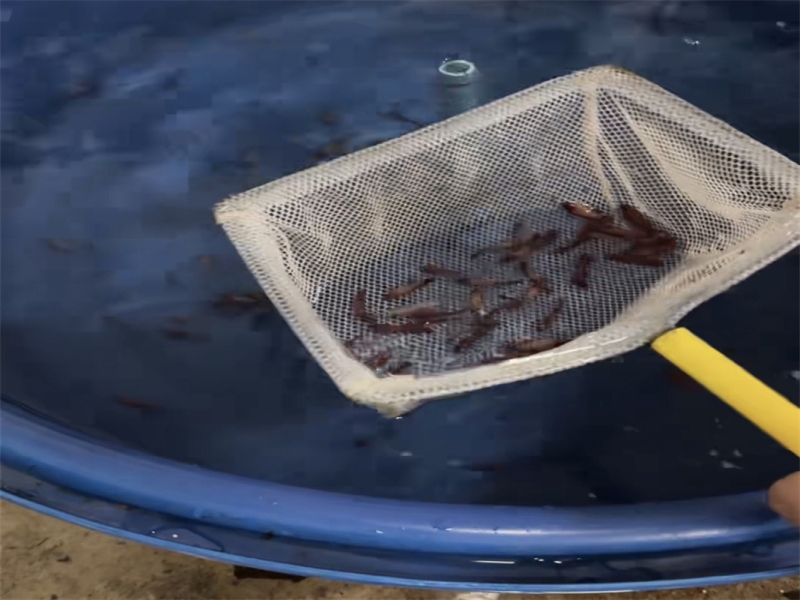
Biological media is a porous or specially shaped material placed inside a filtration system to support the growth of beneficial microorganisms. These microorganisms form a thin layer called biofilm on the media surface. Their main job is to break down harmful substances in water, especially ammonia and nitrite produced by fish waste, food scraps, and other organic matter.
The media itself does not remove waste in the same way as a mechanical filter. Instead, it provides a stable surface where bacteria can live and multiply. As water passes over or through the media, the bacteria process dissolved pollutants and convert them into less harmful compounds.
For example, in a fish pond, fish release ammonia through their waste. If ammonia builds up, it can stress or even harm the fish. MBBR Biochip Media gives nitrifying bacteria a place to grow. These bacteria convert ammonia into nitrite and then nitrate, which is much easier to manage through regular water changes and plant uptake.
Different systems use different forms of biological media, such as plastic carriers, ceramic rings, bio balls, and porous blocks. The best choice depends on the water flow, filter size, stocking level, and treatment goal. When installing biological media, avoid packing it so tightly that water cannot move freely. Good contact between water, oxygen, and the media surface helps the bacteria work properly.
Biological media also needs time to become active. New media may look clean when first installed, but it does not immediately contain a mature bacterial population. Give the system time to establish its biofilm, and avoid washing the media with untreated tap water, which can damage the helpful bacteria.
Types and Characteristics of Biological Media
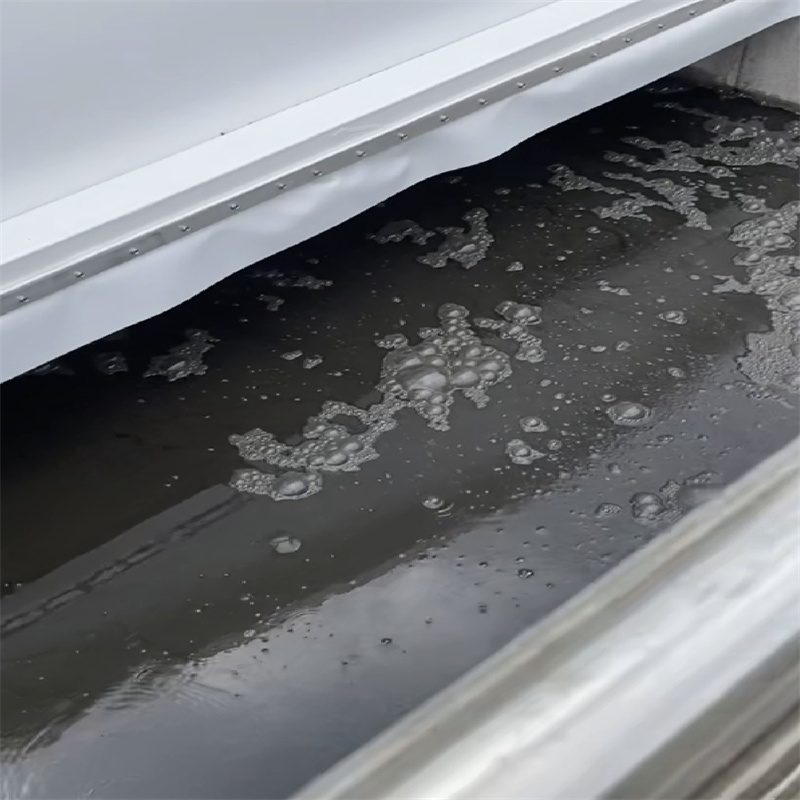
Biological media comes in many shapes and materials, and each type works a little differently. The main purpose is the same: provide enough surface area for beneficial bacteria to grow while allowing water and oxygen to move through the filter. Choosing the right type depends on the size of the system, water flow, maintenance needs, and the amount of waste being treated.
1. Plastic bio media
Plastic media is widely used in ponds, aquariums, fish farms, and wastewater treatment systems. It often has a wheel, ball, tube, or honeycomb shape with many openings. These designs provide a large area for biofilm growth without making the media too difficult to clean. Moving bed biofilm reactor (MBBR) systems commonly use floating plastic carriers that move continuously as air or water circulates.
2. Ceramic media
Ceramic rings, blocks, and other porous ceramic products are common in aquarium and small filtration systems. Their internal pores give bacteria additional areas to colonize. Ceramic media is usually lightweight and easy to place inside filter chambers, though very fine pores can become clogged if mechanical filtration is poor.
3. Bio balls
Bio balls are plastic balls with open structures that allow water to pass around them. They are often used in trickle filters and larger pond systems. Their open design makes them useful where good water and air contact is needed.
4. Porous stone and mineral media
Materials such as porous stone can provide a natural-looking filtration option. Their rough surfaces support bacterial growth, but the actual performance depends on the material's porosity, size, and water flow. Some types can also add minerals to the water, so check their effect before using them in a sensitive system.
When comparing biological media , look at surface area, durability, water flow, buoyancy, clogging resistance, and cleaning requirements rather than choosing based only on appearance. A media with a huge advertised surface area may not perform well if its pores become blocked or water cannot reach the bacterial growth. In a practical setup, good flow and stable operating conditions are often just as important as the media itself.
Importance of Biological Media in Water Treatment
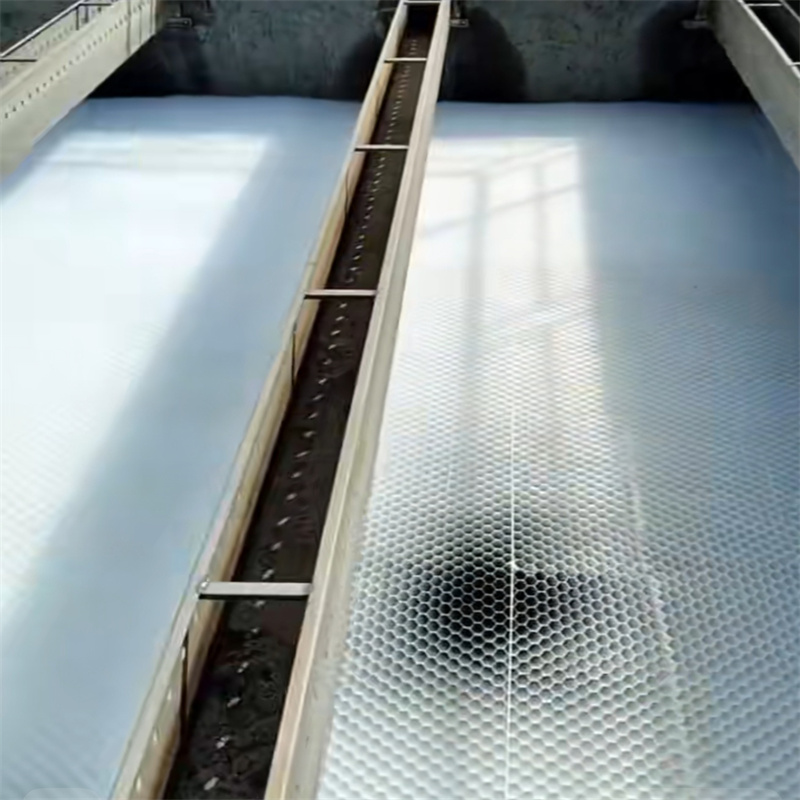
Biological media plays an important role in water treatment because it gives beneficial microorganisms a place to grow and stay active. These microorganisms help break down organic pollutants and convert harmful substances into forms that are easier to manage. Without enough space for bacteria to grow, a biological filter may struggle to handle changing waste levels.
A key advantage is controlling ammonia and nitrite. In fish farms and ponds, ammonia builds up from fish waste and leftover food. Too much ammonia can harm fish. Beneficial bacteria grow on filter material and turn ammonia into nitrite, then into less harmful nitrate. While regular water care is still important, a strong biological filter helps handle daily waste more effectively.
Biological media is also important in wastewater treatment plants. In systems such as MBBR and other attached-growth processes, microorganisms grow as biofilm on plastic carriers or other media. As wastewater moves through the treatment tank, the biofilm consumes organic matter and can support nitrogen removal. This allows the treatment system to handle wastewater loads more effectively.
Another advantage is that biological filtration media can provide a large bacterial growth area within a limited space. Instead of relying only on the walls or bottom of a tank, operators can add media designed with many surfaces and openings. This is especially useful when a treatment system has limited space but still needs strong biological activity.
For example, a small fish farm may have a high amount of waste entering its filtration system every day. Adding suitable bio media to a properly designed filter can provide more room for bacteria without greatly increasing the tank size.
To get good results, biological media should be paired with effective mechanical filtration and adequate oxygen supply. Removing large solids before they reach the bio media helps prevent clogging. At the same time, maintaining suitable flow and oxygen levels keeps the bacterial community active. Biological media is not a standalone solution, but when it is correctly selected and managed, it can form a reliable part of a water treatment system.

We are the largest MBBR carrier manufacturer and exporter in China, and a leading ISO 9001-certified manufacturer of wastewater treatment solutions and recirculating aquaculture solutions with 20+ years of experience, serving clients in 30+ countries.


