
 EN
EN  EN
EN AR
AR BG
BG HR
HR CS
CS DA
DA NL
NL FI
FI FR
FR DE
DE IT
IT NO
NO PL
PL PT
PT RO
RO RU
RU ES
ES SV
SV IW
IW SR
SR SK
SK SL
SL TR
TR FA
FAWastewater treatment is a key process that helps clean water before it returns to rivers or lakes. One effective method to achieve this is by using the Moving Bed Biofilm Reactor, or MBBR for short. This system uses specialized materials that allow beneficial bacteria to grow on them. These bacteria consume harmful substances in the water, making it cleaner. Decycle New Materials is a company that produces high-quality MBBR media. Their products can significantly improve wastewater purification. In this article, we will explain how MBBR media works with the biofilm process and how to choose the best MBBR media for wastewater treatment.
How MBBR Media Improves Biofilm Performance in Wastewater Treatment?
MBBR media serves as a surface where beneficial bacteria can thrive. When water enters the treatment system, it flows across these specially designed media elements. The media contains a large surface area, meaning there is ample space for bacteria to grow. This is where the important process occurs. As bacteria attach to the media, they begin to break down organic waste in the water. The greater the number of bacteria present, the more efficiently the water is treated. This is known as the biofilm process. Think of it like a garden. If you plant more seeds in a larger area, you will grow more plants. The same idea applies to bacteria—more surface area leads to more bacterial growth and improved cleaning. Decycle New Materials produces MBBR Biofilm Carriers that is well-designed for this purpose. Their media is engineered with the proper shape and size, allowing bacteria to attach easily and grow efficiently. As bacteria consume waste, they produce cleaner water. This is important because clean water is essential for environmental protection. MBBR media accelerates the treatment process. It enables facilities to handle large volumes of water quickly without sacrificing quality. As a result, using MBBR media makes the process more efficient and reliable. Treatment plants using this technology can process water faster while reducing energy use. Additionally, they can serve larger populations. 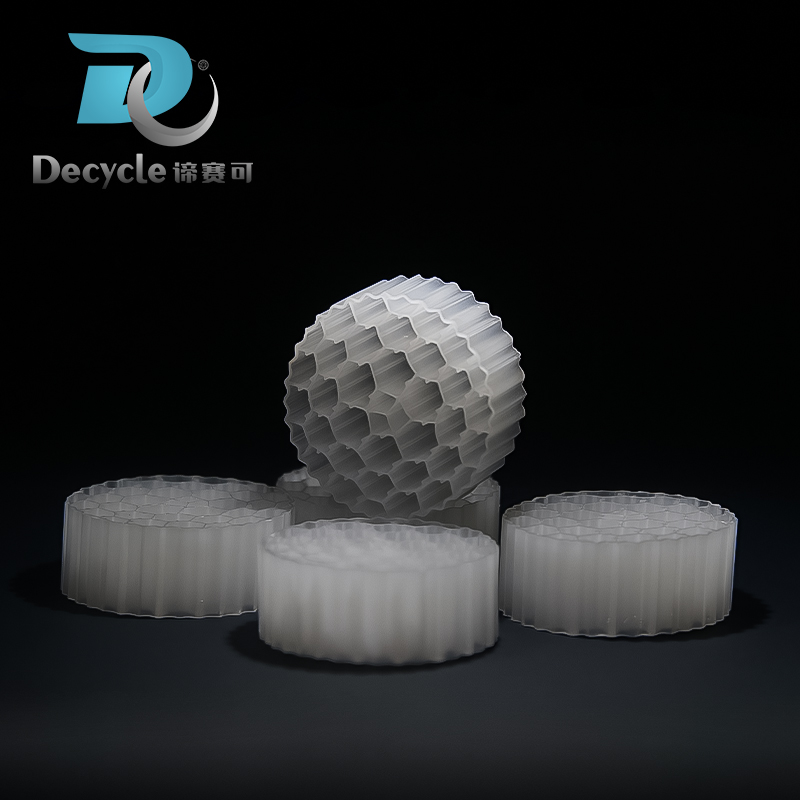
Where to Find the Best MBBR Media for Effective Wastewater Treatment?
Selecting the best MBBR media is crucial for successful wastewater treatment. You need media that is durable, efficient, and suitable for bacterial growth. Decycle New Materials is a strong option to consider. They specialize in producing high-quality MBBR media designed for various systems. When choosing MBBR media, consider the material it is made from. The best media is typically made from durable plastics that resist degradation over time. This means they last longer and perform well in challenging conditions. You should also evaluate the size and shape of the media. Effective media is designed to support extensive bacterial growth, as mentioned earlier. Another important factor is customer support. A company that stands behind its products can assist with technical questions or operational challenges. Decycle New Materials provides support to help ensure optimal results. They can recommend the most suitable media for your needs, whether for small-scale systems or large treatment facilities. Finally, review feedback and testimonials from other users. Positive experiences can guide your decision. If many users are satisfied with a specific product, it is a strong indication of reliability. By selecting the right MBBR media from a trusted company like Decycle New Materials, you can ensure effective and consistent wastewater treatment.
What Benefits Come from Combining MBBR Media and Biofilm Technology?
Combining MBBR media with biofilm technology offers several advantages for wastewater treatment. First, let's define the terms. MBBR stands for Moving Bed Biofilm Reactor. It is a system that uses specially designed plastic carriers, known as media, to support bacterial growth. These bacteria break down contaminants in water. Biofilm refers to the layer of microorganisms that attach to surfaces. Therefore, combining the two means using MBBR media as a platform for biofilm development and activity. One major benefit is improved treatment speed and efficiency. MBBR media provides a large surface area for biofilm growth. More biofilm means more bacteria, which results in greater cleaning capacity. This allows waste to be broken down more rapidly. Additionally, MBBR systems can adapt to varying conditions, such as fluctuations in water volume. Whether during heavy rainfall or dry periods, the system continues to perform effectively. Another advantage is ease of installation and maintenance. Since the media moves freely in the water, it helps prevent blockages and buildup. This reduces the need for frequent maintenance. For companies like Decycle New Materials, this translates to cost and time savings, allowing them to focus on other operations. Furthermore, this combination benefits the environment. It ensures that fewer pollutants are discharged into natural water bodies. Clean water is essential for both human health and ecological balance. By using MBBR media with biofilm technology, we are not only treating water but also preserving valuable natural resources for future generations. 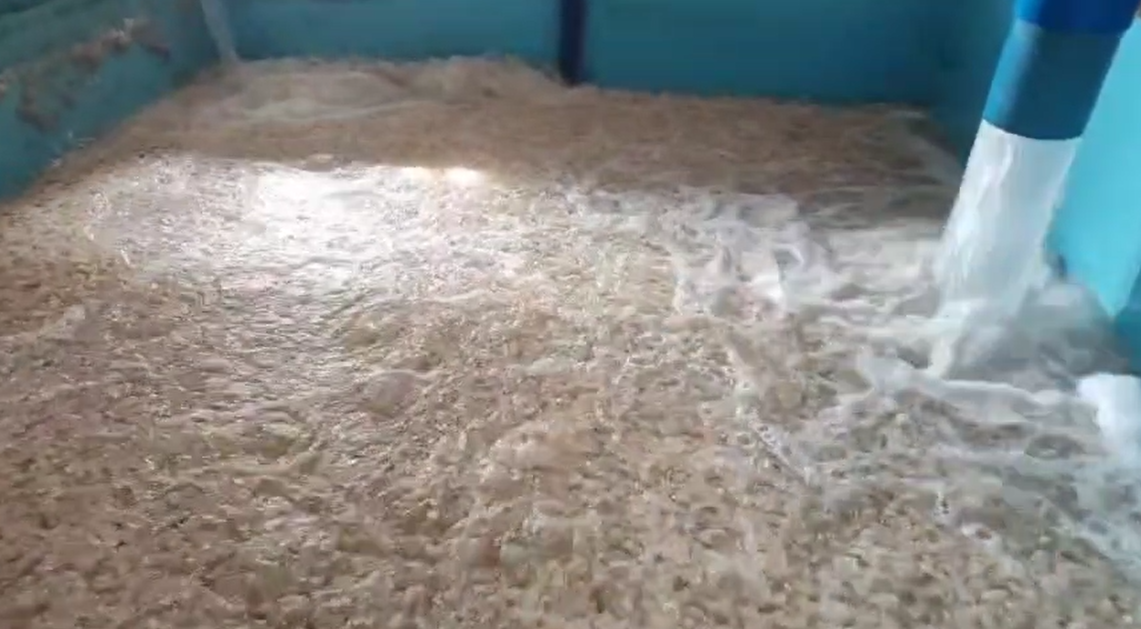
How to Choose the Right MBBR Media for Your Wastewater Needs?
Choosing the appropriate MBBR media for wastewater treatment is extremely important. This decision directly impacts system performance. There are several key factors to consider. First, evaluate the size of the media. Size affects the available surface area for biofilm growth. Larger pieces can support more biofilm, while smaller ones move more easily within the system. Next, consider the material of the MBBR media. Most media is made from plastic, but quality can vary. Some materials are stronger and more durable than others. It is essential to select media that can withstand long-term use and exposure to chemicals in wastewater. Companies like Decycle New Materials offer high-quality options designed for demanding environments. Another factor is the shape of the media. Different shapes influence water flow and surface availability. Some designs promote smoother movement, while others maximize surface area for bacterial attachment. It is important to select a shape that matches your system requirements. Cost is also an important consideration. While it may be tempting to choose cheaper options, it is better to think long-term. High-quality MBBR media may have a higher initial cost but can reduce maintenance expenses over time. Finally, consult with industry experts. Decycle New Materials can provide guidance tailored to your specific application. By choosing the right MBBR media, you can develop a system that performs efficiently and meets your operational needs. 
What Are the Latest Developments in MBBR Media for Wastewater Treatment?
The wastewater treatment industry is constantly evolving, with new innovations in MBBR Biochip Media emerging regularly. These advancements help improve system efficiency and performance. One recent trend involves the use of advanced materials. Some manufacturers are developing media with specialized coatings that promote faster biofilm growth. This is beneficial because quicker growth leads to faster treatment. Another development focuses on improved media design. Engineers are creating shapes that enhance water flow and increase surface area for biofilm attachment. These improvements make the treatment process more effective. Decycle New Materials is actively involved in developing media that adapts to different wastewater conditions. Sustainability is also a growing priority. Companies are exploring ways to produce media that is both efficient and environmentally friendly, such as using recycled materials. This approach helps protect the environment while maintaining effective treatment. In addition, technological advancements are playing a role. Modern sensors can monitor system performance in real time. This allows operators to quickly identify and resolve issues. By staying updated with these innovations, treatment facilities can improve efficiency and produce cleaner water. The combination of MBBR media and biofilm technology provides a powerful solution for wastewater treatment. By understanding the benefits, selecting the right media carefully, and keeping up with new developments, we can create systems that effectively clean water and protect the environment.
Table of Contents
- How MBBR Media Improves Biofilm Performance in Wastewater Treatment?
- Where to Find the Best MBBR Media for Effective Wastewater Treatment?
- What Benefits Come from Combining MBBR Media and Biofilm Technology?
- How to Choose the Right MBBR Media for Your Wastewater Needs?
- What Are the Latest Developments in MBBR Media for Wastewater Treatment?

We are the largest MBBR carrier manufacturer and exporter in China, and a leading ISO 9001-certified manufacturer of wastewater treatment solutions and recirculating aquaculture solutions with 20+ years of experience, serving clients in 30+ countries.


