
 EN
EN  EN
EN AR
AR BG
BG HR
HR CS
CS DA
DA NL
NL FI
FI FR
FR DE
DE IT
IT NO
NO PL
PL PT
PT RO
RO RU
RU ES
ES SV
SV IW
IW SR
SR SK
SK SL
SL TR
TR FA
FAThe Moving Bed Biofilm Reactor , or MBBR, is a wastewater treatment method that beginners often hear about but may not fully understand. It works by using small plastic carriers that move freely in water, giving helpful bacteria a place to grow. These bacteria steadily break down waste, making the process reliable and efficient. MBBR systems are used in small factories, food processing plants, and even municipal sewage plants. This approach is useful for anyone new to wastewater treatment because it offers a simple and effective way to manage waste while fitting a variety of industrial and community settings.
1.How MBBR Works: Simplifying Biofilm and Fluidization
The Moving Bed Biofilm Reactor , or MBBR, works through two main ideas: biofilm and movement. Inside an MBBR tank, thousands of small plastic carriers provide a surface for bacteria to grow. When wastewater flows in, the bacteria form a thin layer called biofilm, which does most of the cleaning by feeding on organic waste. The carriers are kept moving by air bubbles or mixers, a process called fluidization. This gentle motion keeps the carriers evenly spread, ensures the bacteria get enough oxygen and nutrients, and prevents the biofilm from growing too thick. As parts of the biofilm naturally slough off, fresh bacteria can grow, allowing the system to maintain itself with minimal manual intervention. In practice, MBBR is easier to manage than it sounds. For example, a small food factory can add an MBBR tank without overhauling its treatment plant, with operators mainly monitoring air supply, water flow, and basic quality measurements. Unlike older systems that rely on settling sludge, the bacteria stay attached to the carriers, making the process stable and forgiving even when water conditions change, quietly treating wastewater day after day.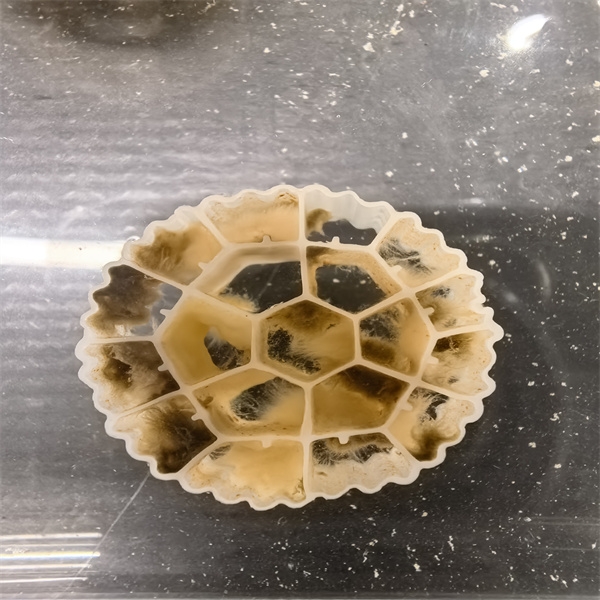
2. Why Choose MBBR? Four Core Advantages Explained
Many operators choose MBBR because it addresses common issues found in older wastewater treatment systems. One major advantage is its compact size. Since bacteria grow on carriers instead of spreading through a large tank of mixed sludge, MBBR can handle high loads in a smaller space, making it ideal for plants that need more capacity but lack room for new tanks. For example, a town sewage plant can often add carriers to an existing basin rather than expand the site. Another benefit is stable performance. MBBR handles changes in flow and pollution levels better than traditional methods, keeping the system running smoothly even during busy seasons or sudden spikes in wastewater strength, because the biofilm stays attached to the carriers. Low maintenance is another plus, as operators mainly monitor aeration, screens, and basic water readings without constant sludge adjustments. Finally, MBBR is flexible, capable of organic removal, ammonia reduction, or both, and can be added to existing systems, such as a hotel upgrading treatment to meet stricter discharge rules. These practical benefits make MBBR popular across many industries and project sizes.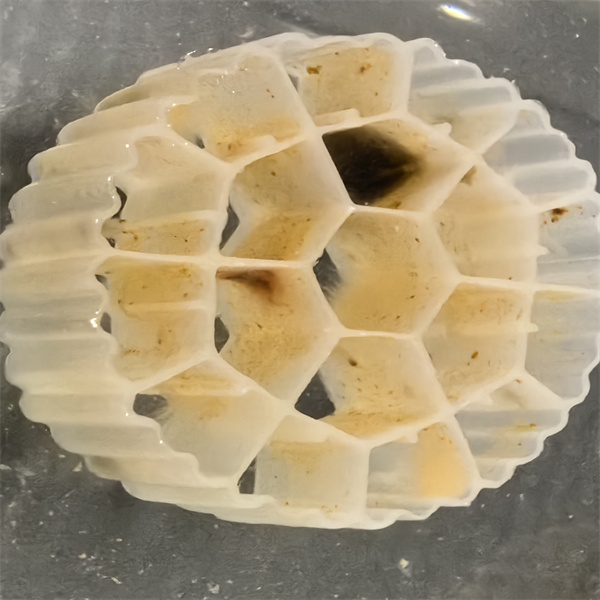
3. Where Does MBBR Apply? From Municipal to Industrial Wastewater
MBBR is widely used because it adapts well to different water qualities and changing needs. In municipal wastewater plants, it helps towns and small cities improve treatment without requiring large new tanks, often enhancing organic removal or controlling ammonia to meet stricter discharge limits. Industrial facilities also benefit, particularly food and beverage plants like dairies or breweries, where wastewater can have high organic content and fluctuate between production days. MBBR keeps bacteria attached to carriers, allowing the system to recover quickly from these changes. Commercial buildings and resorts use MBBR for on-site treatment, as the systems are compact, quiet, and easy to operate with simple daily checks rather than full-time staff. It's also ideal for retrofits and upgrades, allowing older plants to meet new regulations without replacing existing equipment. For instance, a textile factory can add an MBBR stage after its current process to improve water quality. Across all these settings, MBBR's flexibility, stability, and low maintenance design make it a practical solution for a wide range of wastewater challenges.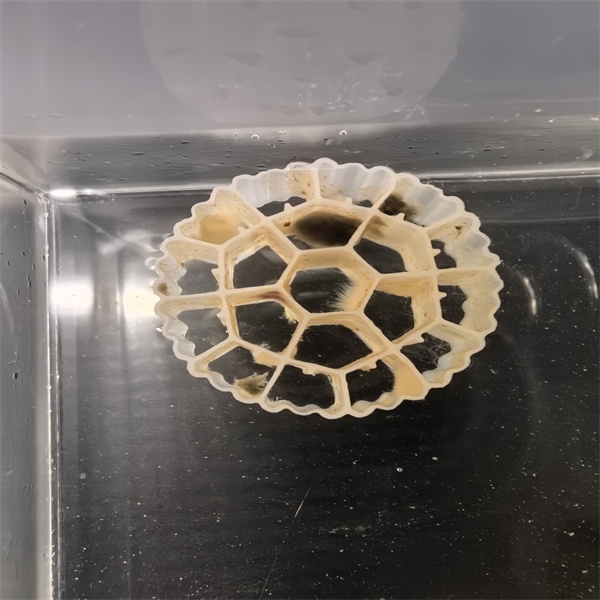
4. Key Design Parameters: What You Need to Know About Packing Rate and Carrier Selection
When setting up an MBBR system, two key design choices greatly affect performance: packing rate and carrier selection. Packing rate refers to how much of the tank is filled with carriers, usually between 40% and 70%. Lower rates leave more open space and reduce energy use, while higher rates boost treatment strength. For a small municipal plant with steady flow, a mid range rate often works well, while industrial wastewater with higher loads may require more carriers, provided mixing and aeration are sufficient. Carrier selection is equally important, as carriers vary in shape, size, and surface area. Some are better for organic removal, others for ammonia treatment. Carriers with more protected surfaces allow bacteria to grow even when water conditions change, making them ideal for high strength waste in food processing plants. Material quality matters too; durable plastic carriers maintain shape and resist wear, while poor quality carriers can break down, clog screens, and reduce performance. Proper inlet and outlet screens are also essential to keep carriers in the tank and allow smooth water flow. Overall, balancing packing rate, carrier type, and energy use, along with regular maintenance, ensures stable long term operation and allows fine-tuning as operators gain experience.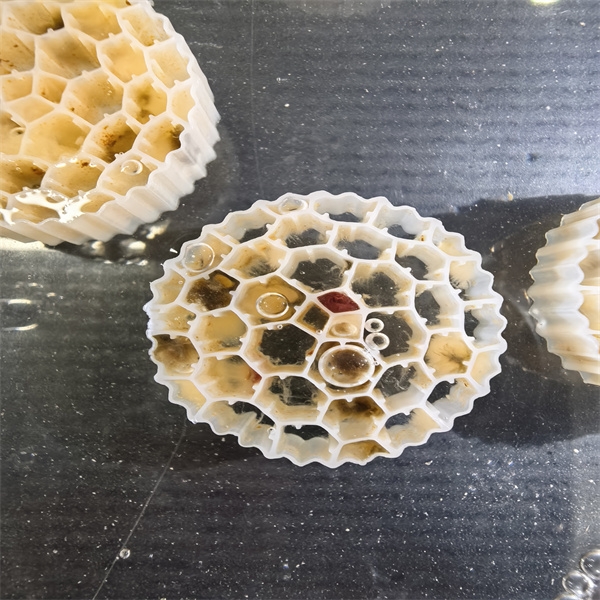

We are the largest MBBR carrier manufacturer and exporter in China, and a leading ISO 9001-certified manufacturer of wastewater treatment solutions and recirculating aquaculture solutions with 20+ years of experience, serving clients in 30+ countries.


