
 EN
EN  EN
EN AR
AR BG
BG HR
HR CS
CS DA
DA NL
NL FI
FI FR
FR DE
DE IT
IT NO
NO PL
PL PT
PT RO
RO RU
RU ES
ES SV
SV IW
IW SR
SR SK
SK SL
SL TR
TR FA
FAUnderstanding MBBR media fill rate standards is important for individuals interested in home sewage treatment plants. MBBR means Moving Bed Biofilm Reactor, and it is a technology used for treating wastewater. The media fill rate refers to how much of the reactor is filled with specialized materials that help purify the water. Companies like Decycle New Materials work to produce these materials. If the fill rate is too low, it can negatively affect how well the treatment plant performs. This article explains what wholesale buyers need to know about MBBR media quality and how fill rate standards impact wastewater treatment. 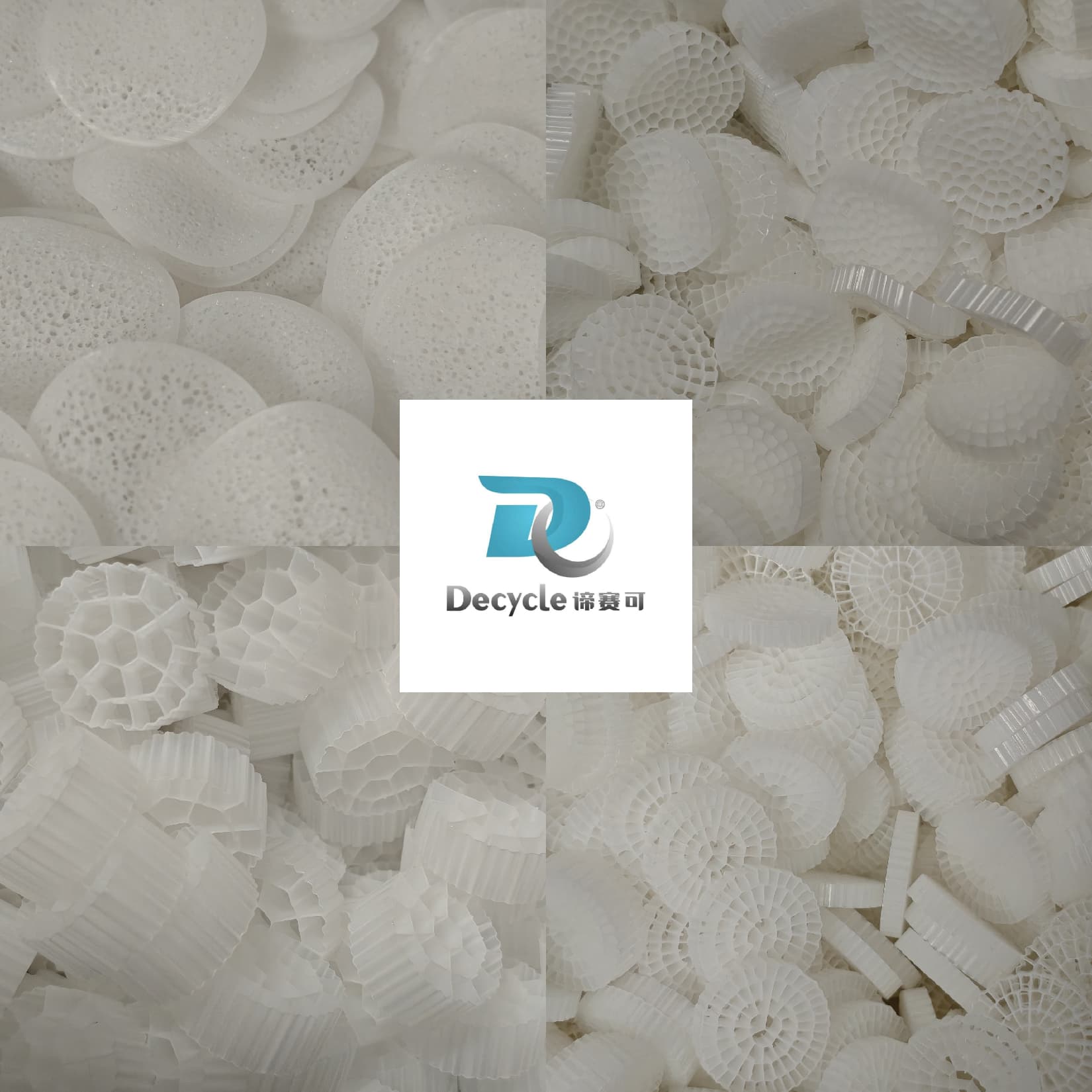
What Buyers Need to Know About MBBR Media Quality?
When purchasing MBBR Biofilm Carriers , quality is the most important factor. The media are usually plastic components designed to provide surface area for bacteria to grow on. These bacteria consume waste in the water, which is essential. If the media are not high quality, they might not support the bacteria properly. For example, if the plastic is weak or breaks easily, it will not last in the system. Buyers should look for durable media with the correct size and shape. This creates a suitable environment for bacteria to grow effectively. Another important factor is the surface area of the media. A larger surface area means more space for bacteria. Different media have shapes like rings or discs, and some designs perform better for certain types of sewage. Buyers can ask about performance under different conditions. It is also wise to check if the media can handle temperature variations and changes in water quality. Decycle New Materials focuses on high-quality media. They understand that good MBBR media make a significant difference in sewage plant operation. By selecting the right media, buyers ensure plants run efficiently. This saves money and protects the environment by cleaning water properly.
How MBBR Media Fill Rate Standards Affect Wastewater Treatment?
The fill rate of MBBR media is a key factor in wastewater treatment. The fill rate is the percentage of the reactor filled with media. A higher fill rate provides more surface area for bacteria to grow, leading to better wastewater purification. If the fill rate is too low, problems can occur. For instance, there may not be enough bacteria to break down waste effectively, so polluted water may be released into the environment, which is harmful. Different plants may aim for fill rates of 30% to 50%, while others go higher. Operators need to know what fill rate is best for their setup. They should monitor it regularly. If it drops below the required level, the media might not function properly or may need to be replaced. Decycle New Materials helps clients with best practices for fill rates. They provide guidance on maintaining proper levels for different wastewater types. This makes treatment more effective and helps meet regulations. Following standards improves plant performance and keeps water clean. In summary, understanding MBBR media quality and fill rate standards is essential for wastewater treatment professionals. Whether a wholesale buyer or an operator, focusing on these factors leads to better sewage treatment and a healthier environment. 
What Are the Benefits of Sticking to MBBR Media Fill Rate Standards?
MBBR stands for Moving Bed Biofilm Reactor. It is a specialized technology used in sewage plants to clean contaminated water. The media fill rate indicates how much space the media occupy in the reactor. Sticking to these standards is important for several reasons. First, plants that follow them can clean water more effectively. Harmful substances are removed more efficiently, making the water safer for the environment. Cleaner water helps fish and plants thrive in rivers. Another benefit is cost savings. The correct fill rate allows bacteria to work more efficiently on waste. As a result, the plant uses less energy and fewer resources. Saving energy is beneficial for both the budget and the planet, as it reduces greenhouse gas emissions and helps combat climate change. In addition, following standards makes the process more reliable. System components work together better, resulting in fewer issues. The plant operates smoothly without unexpected shutdowns. For Decycle New Materials, which focuses on advanced treatment technologies, this builds customer trust. Customers feel confident when plants use proven best practices. Overall, adhering to standards not only cleans water but also ensures a healthier planet and efficient operation.
How to Fix Common Problems with MBBR Media Fill Rates?
In MBBR systems, problems with media fill rates can occur from time to time. Knowing how to fix them helps keep the plant running smoothly. One issue is incorrect filling. Too much or too little media can affect treatment performance. To troubleshoot, operators should first check the system design. Review plans to ensure the fill rate matches recommended standards. Another problem is clogged media. Dirt and debris can build up over time, preventing bacteria from functioning properly. Staff should clean the media regularly. This may involve removing and washing the media or using equipment to clear blockages. It is similar to cleaning a sponge; if it is dirty, it cannot absorb effectively. Sometimes, issues arise with bacterial health. If bacteria are not healthy, they will not break down waste properly. Operators should monitor conditions such as temperature and oxygen levels. If these are incorrect, bacteria may die. Adjusting these factors helps keep them active. Decycle New Materials emphasizes regular checks and maintenance. Following a schedule for monitoring and cleaning helps detect problems early. Fixing issues before they become serious reduces costs. Troubleshooting is an important skill for sewage plant workers, especially when managing MBBR fill rates. 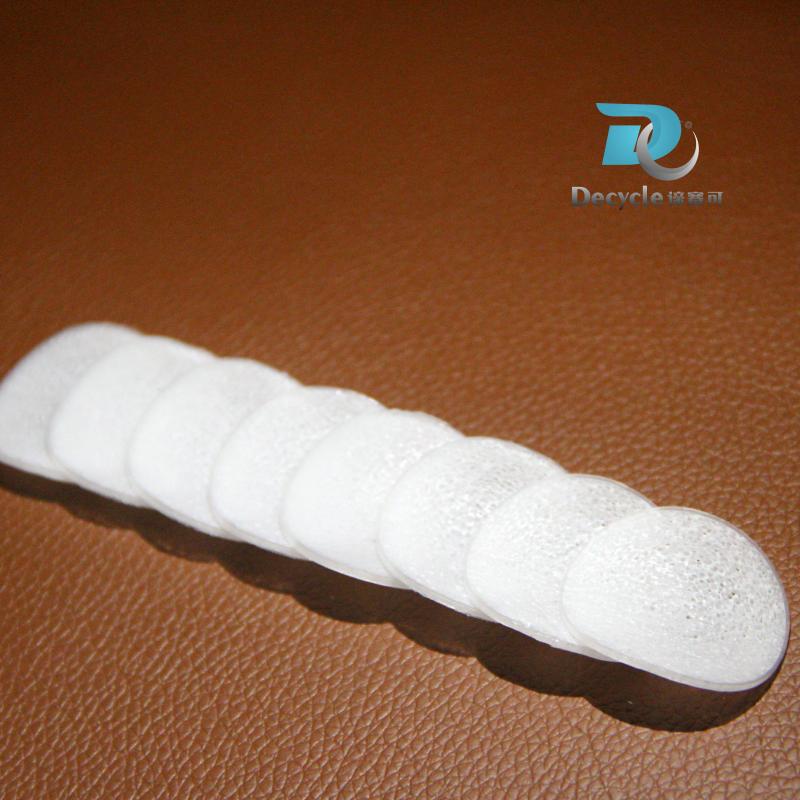
What Trends Are Shaping the Future of MBBR Media in Sewage Treatment?
The sewage treatment industry is constantly evolving, with new trends influencing MBBR media. One major trend is eco-friendly practices. People are becoming more aware of environmental protection. Plants aim to reduce waste and energy consumption, and MBBR Biochip Media fits well because it is efficient at cleaning. New technologies are also expanding. Plants now use sensors and smart systems to monitor fill rates in real time. This allows operators to detect issues quickly and maintain smooth operations. Companies like Decycle New Materials are leading this trend by developing advanced tools and materials for improved treatment. Moreover, interest in recycling materials is increasing. Plants are turning treated waste into useful products, such as converting sludge into energy. MBBR supports this by breaking down waste efficiently, making recycling easier. Finally, as populations grow, the demand for clean water continues to rise. Plants must handle more waste than ever before. MBBR media are evolving to meet these challenges and maintain water safety. Staying updated on these trends is crucial for sewage treatment professionals, especially newcomers who want to contribute to their communities.
Table of Contents
- What Buyers Need to Know About MBBR Media Quality?
- How MBBR Media Fill Rate Standards Affect Wastewater Treatment?
- What Are the Benefits of Sticking to MBBR Media Fill Rate Standards?
- How to Fix Common Problems with MBBR Media Fill Rates?
- What Trends Are Shaping the Future of MBBR Media in Sewage Treatment?

We are the largest MBBR carrier manufacturer and exporter in China, and a leading ISO 9001-certified manufacturer of wastewater treatment solutions and recirculating aquaculture solutions with 20+ years of experience, serving clients in 30+ countries.


