
 EN
EN  EN
EN AR
AR BG
BG HR
HR CS
CS DA
DA NL
NL FI
FI FR
FR DE
DE IT
IT NO
NO PL
PL PT
PT RO
RO RU
RU ES
ES SV
SV IW
IW SR
SR SK
SK SL
SL TR
TR FA
FALow-Carbon MBR systems are great in helping us to clean water using LESS energy. Anaerobic Membrane Bioreactors(MBRs) & New Aerators Both the MBR aerator systems and these new models use to degenerate house wastage. And they're offsetting the carbon footprint, which is good for the planet. We at Decycle New Materials focus on generating energy conserving solutions. But it isn't just about cleaning water; it's also doing so in a way that's gentle on the Earth. We're excited to break down how these technologies work and why they are so important for the environment.
Low-CarbonMBR and Its Energy-Saving of Wastewater Treatment
Low-Carbon MBRs and MBBR take energy-saving evenfurther. For one, they require less power to process the samequantity of water as older methods. AnaerobicSBRs, on the other hand, run themselves without anyoxygen so they don't need energy-intense aerators. This is like replacing agas guzzler with an electric car. The less power we use the better it is for our planet. Furthermore, such digestive systems are even able to digest waste products more efficiently. That is, more wastewater can be treated at one time without using more energy. And imagine a sponge that can still soak up more water and does not gain any weight; well that's what these systems are.
Plus, the new aerators that are coming out are created to be smarter and more intelligent. They manage how much air they use based on the needs of the system. This might save even more energy, becausethen they wouldn't need to use excessive force when breathing. Use less energy to begin with means you'll save money and there will be fewer air-polluting greenhouse gasemissions. In battle against climate change, every little bit helps. At )ectric Lithium, we are operating under the assumption that these systems widely deployed is our best avenue to a cleaner environment and a brighter future. Imagine cities that recycle more of their water, and produce less trash with the help of far fewer energy resources. We want that to be the world.
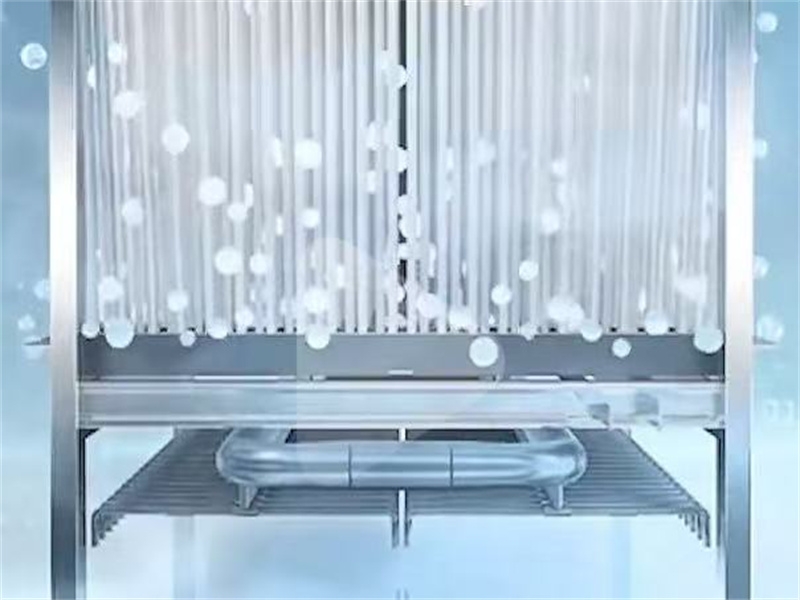
The green Low- Carbon MBR: game changer in sustainable wastewater solutions
Low-Carbon MBR - changing the perception of sewage! One of the biggest benefits is that they reducewaste as clean water is created. Traditional methods tend to produce a lot of sludge that must be managed. Inanaerobic MBR the generated sludge is less and can be easily handled. This is sort of like cleaning your room and finding less garbage than you expected to take out. The less trash we create, the more sustainable our hacks will be.
What's especially thrilling is, these systems can actually generate energy with the wastewater. They can also capturethe gases produced in their treatmentand convert them into electricity. Kinda like recycling energy from what we alreadyhave! This energy can be used to power the system or even put back into the grid.
Moreover, Low-Carbon MBBR Media are adaptable. They can be used in a number of locations from small rural towns to heavily populated cities. This is such that they canprove helpful to many communities, regardless of size. Well-rounded osage are a good bet for the future. We, at Decycle New Materials, are proud to be a part of it. We believe in a future where water is treated economically, and energy is conserved. With the Low-Carbon MBR we can take big steps towards a healthier world for all. What a model for building great careers andfutures – whew, boy we are excited about the future.
Lower Operating Costs with Energy Efficient MBR Technology
In-car waste capture A tech known as Membrane Bioreactor (MBR) is used by manybusinesses and factories to clean water. This matters because for many purposes drinking and making stuff, most notably you want your water nice and clean. Nevertheless, the application of MBR can be expensive. Enter energy-saving MBR technology That's where energy-saving MBR technologies come in, with the race well and truly on tosee how less expensive and cheaper ways can be found to run MBR systems more cost-effectively – something that Decycle NewMaterials Ltd is researching. An anaerobic MBR is one solution for cost saving. Because such circuits don't need oxygen to operate, they useless energy. Using less power is the easiest way companies can lower their electric bills. There are also a few new varieties of aerator that canhelp your wallet. Aerators these are pieces of equipment that help introduce air into the water. The older the aerator, the more energy which may be wasted. Some of the early aerators can use quite a bit ofenergy, while moremodern designs tend to consume low levels of power. That lets businesses do that without a big investment in clean water.
When companies save money onenergy, they are not compelled to use that as an excuse to squeeze wages or otherwise shift costs onto workers (or anyone else.) They can invest the difference in worthwhile activities be it paying employees, engaging in new investment, adopting new energy-saving technology. It can also push businessesto be greener. Andbecause they consume less energy, they are burning less fossil fuel, which is good for the planet. By supporting energy-saving techniques, companies can also lower their operating expenses, while getting good rates and reducing environment contamination. This twofer is an imperative for a company trying to stay as competitive as it canand also not be immoral.
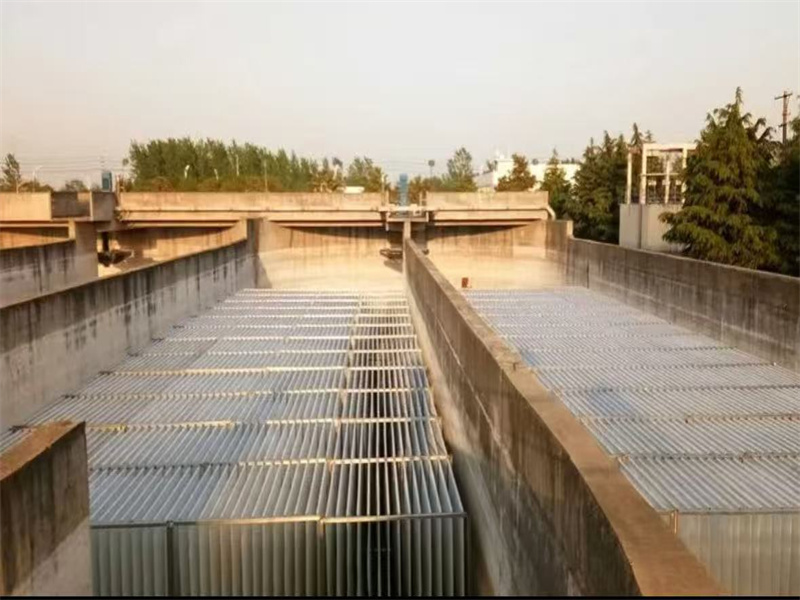
How the Low-Carbon MBR Can Meet Regulatoryand Sustainability Goals
There are guidelines maintained by many governments as to how‘clean' water is before it can be returned to the natural world. Systems are said to be "in compliance" if they meet these requirements, and "out of compliance" otherwise. Companies are forced to adhere to these rules so they won't be fined or sued in court on discrimination. Low Carbon MBRs provide a solution for organiations that need to meet such legislation in an eco friendly way. For example, such systems tend to produce less waste and use less energy - which can easily fit with many ofthe targets on sustainability. With low-carbon MBR, businesses don't just follow the rules they send a message out to the world that itmatters to them.
Switchingto low-carbon technologies could also create a positive public image for businesses. Customers are more among plenty of other retailers that have environmental statements - everybody wants to buy from ethical companies. And that can also attract an even bigger customer base of people and companies who care about sustainability, when they make products like low-carbonMBR technology,” as Decycle New Materials does. Thishas the potential toboost yoursales and income. Plus, most cities support businesses that use green technology. This may involve promoting usage off low-carbon MBRs by giving companies more incentives.
In the long run, embracing low-carbon MBR technologies isn't just planet-friendly it's also good for business. Companies can avoid fines, capture even more customers and, yes, save money as bonuses. (Field not entered)enddateWith sustainability driven by low carbon MBR, organizations can contribute to a better future for themselves and the world.
What kind of typical usage issues do buyers of MBR technology often make
There are a number of issues facing new owners when they first start employing their MBR systems, even though these things typically perform very well. One problem issimply that there's a high upfront cost. Buyer and the installer are expensive in terms of MBR systems. Many companies are worried about how long it will take to pay back their investment. Specifically, they want to know how many years all of their money saved on energy from consuming less needs the opportunity to stack before it equals the cost of the system. To underscore this, product developers like Decycle New Materials go to lengths to communicate just how and why their systems save money in the long run. By disseminating success stories and evidence, they can sign buyers up to the lifetime investment.
Another issue people have with MBR systems is they are complex to use. These systems can be hard to use,particularly for people not accustomed to them. It's important to educate staff about how to use systems correctly, but doing so is time-consuming and resource-intensive. And some buyers worry that they may not have enough trained personnel to operatethe system effectively.” This support can reduce uncertainties about future surprises, enabling decisions to use MBRs.
Third, maintenance can be an issue. As with any technology, MBBR Media plants need to be properly maintained in order to operate at the high levels necessary for treatment. If not kept in check, as could befell, can deteriorate to the point of degrading performance. But short of that, buyers want to understand what kind of upkeep will be required and how frequently it will need to take place. Some firms, such as Decycle New Materials, normally offer maintenance plans to assist businesses in keeping the systems running.
there are also challenges in deal with MBR technology's,but with right advice and support, for purchaser this way could be very successful. And then, with consideration of energy-saving alternatives, low-carbon solutions and correct levels of training and maintenance to accompany MBR solutions, businesses could therefore be well on their way to taking advantage of everything that these technologies offer whilst. ems.
Table of Contents
- Low-CarbonMBR and Its Energy-Saving of Wastewater Treatment
- The green Low- Carbon MBR: game changer in sustainable wastewater solutions
- Lower Operating Costs with Energy Efficient MBR Technology
- How the Low-Carbon MBR Can Meet Regulatoryand Sustainability Goals
- What kind of typical usage issues do buyers of MBR technology often make

We are the largest MBBR carrier manufacturer and exporter in China, and a leading ISO 9001-certified manufacturer of wastewater treatment solutions and recirculating aquaculture solutions with 20+ years of experience, serving clients in 30+ countries.


