
 EN
EN  EN
EN AR
AR BG
BG HR
HR CS
CS DA
DA NL
NL FI
FI FR
FR DE
DE IT
IT NO
NO PL
PL PT
PT RO
RO RU
RU ES
ES SV
SV IW
IW SR
SR SK
SK SL
SL TR
TR FA
FAIn order for your pond to remain healthy, not only should the water appear clean. Fish feces, uneaten food, decaying plants and other sources can rapidly increase the levels of ammonia and other toxic substances in the water. This is where the use of biological filter media becomes crucial. MBBR Biochip Media provides useful bacteria with the environment to process organic waste when water flows through the filter. Properly selected biological media will allow you to regulate ammonia and nitrite levels in your pond and make maintenance much easier. If you have either a garden pond with some goldfish or a koi pond, studying the properties of biological filter media will be beneficial to you.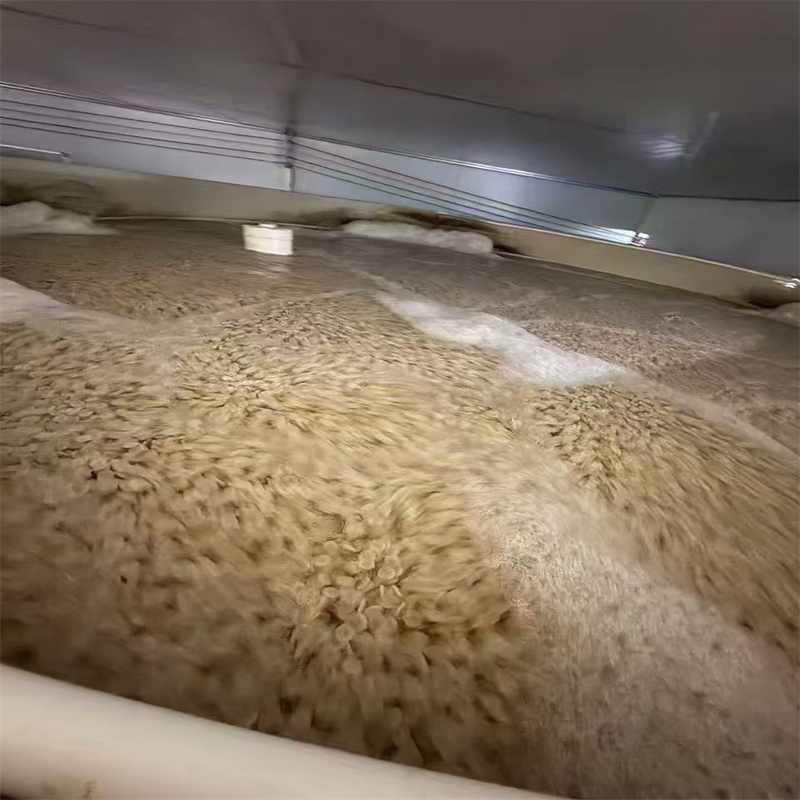
Main types of biological filter media for ponds
Biological filter media comes in many shapes and materials, but the main job is always the same: giving beneficial bacteria a surface where they can live and grow. Different media types work in slightly different ways, so the best choice depends on your pond size, fish load, filter design, and maintenance routine.
Plastic bio balls are one of the most common choices. Their open shape allows water to flow around the surface while giving bacteria plenty of room to settle. They are lightweight and easy to rinse when needed. They work well in many basic pond filters and are especially useful when you want a simple option that does not add much weight.
K1-style moving bed media is another popular choice. These small plastic pieces move around inside a filter chamber with the help of an air pump. The constant movement keeps the media exposed to oxygen-rich water and helps prevent it from becoming clogged with debris. Moving bed media is often a good fit for koi ponds or systems with a high fish load.
Ceramic media includes ceramic rings, blocks, and other porous shapes. The tiny pores provide a large area for bacteria to colonize. Ceramic media is often used in compact filters where space is limited. For example, a small backyard pond owner may choose ceramic blocks when there is not enough room for a large filter chamber.
Japanese matting and similar filter mats provide both mechanical and biological benefits. Their rough, open structure catches some particles while also giving bacteria a place to grow. They are easy to cut to fit different filter boxes and can last for years when properly maintained.
When choosing between these options, avoid focusing only on how much media you can fit into the filter. Good water flow, oxygen supply, and regular removal of solid waste are just as important. A smaller amount of well-maintained media can perform better than a filter packed tightly with media that water can barely pass through.
How to select the right bio media for your pond
Choosing biological filter media is easier when you start with the needs of your pond rather than the appearance or price of the media. First, consider the pond size and number of fish. A small pond with a few goldfish may work well with ceramic media, bio balls, or filter mats. A koi pond with many large fish produces much more waste, so it may need a larger filter chamber and high-surface-area media such as moving bed media.
Next, look at water flow and oxygen levels. Beneficial bacteria need oxygen to process fish waste effectively. If your filter has strong water movement and good aeration, moving media can be a practical choice. For a gravity-fed filter with slower flow, fixed media such as ceramic blocks or mats may be easier to manage.
You should also think about maintenance. Some media needs very little attention, while others can collect dirt if the filter does not remove solid waste first. If you prefer a simple routine, choose media that is easy to remove, inspect, and clean without disturbing the entire filter.
For example, imagine a backyard pond with ten goldfish and a small waterfall filter. The owner does not need an oversized filter filled with expensive media. A properly sized chamber containing bio balls or ceramic media, combined with good mechanical filtration, may be enough. On the other hand, a heavily stocked koi pond will usually need more biological capacity and stronger circulation.
Finally, check the available space inside your filter. Do not fill every empty space just because more media sounds better. Water must move freely around the media so bacteria receive enough oxygen and nutrients. Choose a media type that matches your fish load, filter design, water flow, and willingness to maintain the system. This approach will give you a more stable pond without spending money on media you do not really need.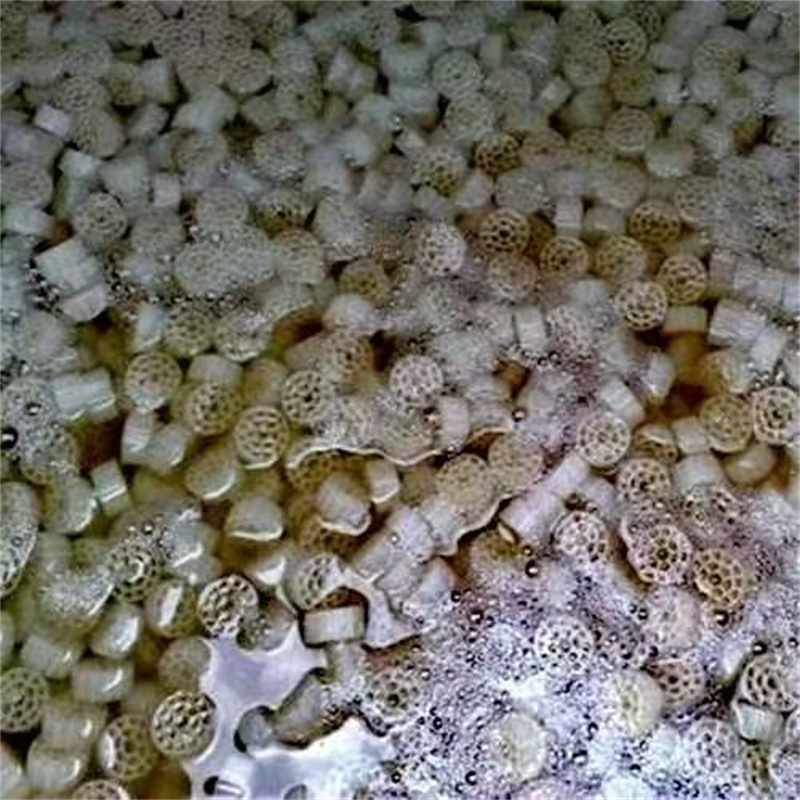
Maintenance and replacement of pond bio media
Pond bio media does not usually need frequent replacement, but it does need proper care to keep the beneficial bacteria working well. The first rule is to avoid washing biological media with tap water. Chlorinated water can kill a large part of the bacterial colony that helps process fish waste. When cleaning is needed, remove some pond water into a bucket and gently rinse the media to remove loose dirt and sludge. There is no need to make it look perfectly clean.
How often you clean the media depends on the pond and filter design. A lightly stocked garden pond may need only occasional cleaning, while a koi pond with heavy feeding may collect waste much faster. Check the filter every few weeks at first and learn how quickly it becomes dirty. If water flow starts slowing down, the media may need attention.
Avoid cleaning all your MBBR Biofilm Carriers at once. Keeping part of the established media untouched gives beneficial bacteria a place to survive while the cleaned section becomes active again. This is especially helpful in ponds with many fish.
Replacement is usually only needed when the media becomes damaged, breaks apart, or can no longer hold its shape. For example, if plastic media is still intact and water can flow freely through it, there is little reason to throw it away simply because it looks old. Established media can actually be valuable because it already carries a mature bacterial community.
If you need to replace old media, do it gradually rather than changing everything in one day. Replace part of it, allow the new media time to become colonized, and then replace another portion later if needed. After major changes, keep an eye on ammonia and nitrite levels and avoid suddenly increasing fish feeding. A gentle maintenance routine helps protect the bacteria and keeps the pond's biological filtration stable.

We are the largest MBBR carrier manufacturer and exporter in China, and a leading ISO 9001-certified manufacturer of wastewater treatment solutions and recirculating aquaculture solutions with 20+ years of experience, serving clients in 30+ countries.


